


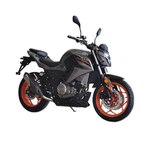

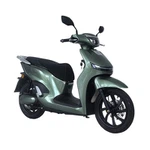
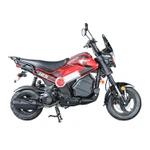
Cruiser Motorcycle
Wuxi Yifan Industry: a Professional Cruiser Motorcycle Manufacturer
As a one-stop factory, we can provide customers with the best prices.
Variety of Products
Our company mainly provides various CKD motorcycles and motorcycle parts, and has the ability to develop various new products. Our motorcycle types mainly include cruiser motorcycles, sports motorcycles, scooters, touring motorcycles, retro motorcycles, and electric motorcycles.
Strict Quality Standards
Our products are of reliable quality and strictly implement the testing and control standards of ISO quality certification. We adhere to the corporate philosophy of "quality first, customer first, sustainable development" to serve the vast number of new and old users and welcome a broader market.
Professional Service
Utilizing a complete after-sales service system, we are committed to building a standardized modern enterprise. Our professional team can provide suitable solutions according to customers' actual needs.
Rich Market Experience
With reliable product quality and perfect service, our products are not only sold well in Southeast Asia, but also exported to Asia, Africa, the Middle East, and Latin America. Our employees have extensive market experience to serve customers around the world.


Cruiser motorcycles are built for road trips. Most riders say they’re best suited to medium trips as opposed to long hauls. Still, many cruisers offer all the comfort and performance you need to take off on an extended adventure. They’re equally great for short trips and commuting, though. That means they can be the perfect models for everyday traveling as well as weekend getaways and cross-country rides. Cruisers require fewer parts and are smaller in size compared to touring motorcycles, so it costs less to make them. They offer plenty of style and performance as well. If you’re on a budget and don’t plan on traveling far, it’s best to go with a cruiser.
Basic Parts of a Cruiser Motorcycle
Engine
The engine is among the parts of the motorcycle that are essential to define a motorcycle as a motorcycle. Almost all motorcycles on the market are equipped with conventional internal combustion engines. Engines with more cylinders for the same displacement make it easier to ride, while engines with fewer cylinders are cheaper, lighter, and easier to maintain. Needless to say, motorcycle companies play with all these options to create motorcycle engines that can perform and provide a motorcycle model that can satisfy the needs of each motorcycle segment.
Transmission, Clutch Lever and Shifter
These are the parts of the motorcycle that make movement possible. When the rider pulls the clutch lever, the clutch spring contracts, causing the pressure plate to retract. This splits the friction and steel plates, so they spin freely. Thus the clutch disconnects the engine from the transmission. Therefore, the power to the rear wheel is stopped, and the gears can be changed thought the use of the gear shifter.
Frame
The frame is a bit different from the parts of the motorcycle that we have seen so far: it is the main structure of a motorcycle. This part is so important that by itself defines the motorcycle category, its design can make the motorcycle super easy to ride or a real pain in to go around with. It is usually made of aluminum, but some premium motorcycles might have Carbon fiber, titanium, or magnesium frames.
Suspensions
These parts of the motorcycle make it possible to ride. The front fork is the most crucial part of handling the motorcycle. The combination of rake and trail in the front fork define the motorcycle behavior. Forks have yokes that hold the fork tube (which contains the fork springs and oil) and are fastened by the steering stem to the neck of the frame. The lower legs of the forks are known as sliders that hold the damping assemblies. The front axle is positioned vertically and engages the sliders. The handlebars are attached to the top triple tree, allowing the rider to steer the motorcycle. The rear suspension of the motorcycle uses a spring and damper combination to isolate the chassis and rider from road defects. Motorcycles can use a single shock absorber or a double rear suspension, which connects the rear swingarm to the motorcycle’s frame. Usually, this shock absorber is in front of the rear wheel and uses a linkage to attach to the swing arm. The design of the rear suspension can be very different compared to the front suspension. It works with the front suspension to reduce road or trail impact. Some old motorcycles sport a rigid frame, therefore do not have a rear suspension.
Rims and Tires
Rims and tires are the parts of the motorcycle that allow motion. Wheel rims are made of steel or aluminum (usually with spokes and aluminum hub), mag-type cast, or machined aluminum. A rim is the frame of a tire that holds the force and tension caused by the vehicle’s weight and the effects of various road conditions. The manufacturers have carefully considered and enhanced the safety of the rim to prevent any accidents due to rim failure or deformation. Proper fitting between the tire and the rim is essential for tubeless tires to seal the air. Older models had inner tubes between the rim and the tire.Tires also play an important role as they are the only link between the vehicle and the road. A tire not only transmits the motor’s power to the road but also absorbs shocks from uneven road surfaces. In addition, it supports the vehicle’s weight and transmits accelerating and braking force to the ground. Your safety depends not only on the maintenance of the tires but also on the choice of tires. Checking your tire pressure to ensure they are correctly inflated can make a real difference in how long your tires last.
Brakes
As you know, these parts of the motorcycle represent a rather important safety feature. Motorcycles typically have two independent brakes, one on the front wheel and one on the rear. Nevertheless, some models have “linked brakes,” whereby both can be applied simultaneously using only one control. Their work is fairly easy to understand: pulling the brake, the force on the levers is transferred through an incompressible fluid to the caliper pistons, which then press the brake pads against the discs. Disc brakes and drum brakes are two braking systems used in today’s motorcycles.
Tank
The funny think about the tank is that among all the parts of the motorcycle, it is the most misunderstood one: most people thing that the function of the fuel tank is to hold fuel only. However, it has an important role in helping the rider controlling the vehicle (especially on sportbikes). It also provides a safe area for knees to hold while riding, which is an essential point of contact between bike and rider. Motorcycle fuel tanks usually hold about 1.5 – 8.5 gallons of gas, but most have a gas tank with 3 – 6 gallons capacity.
Features of Cruiser Motorcycles
Cruisers are different from other models by their very design. They’re built a bit closer to the ground than other types of bikes. That offers a few interesting benefits for riders. For one, less ground clearance changes a bike’s center of gravity, making it easier to handle. Even heavier bikes like cruisers are less challenging to balance and control because they ride low.
In addition to being built low, cruiser bikes have a stretched-out design. That’s important for several reasons. Because of their build, many of the essential features of these motorcycles are positioned perfectly for comfort. Their foot pegs are positioned somewhat lower and closer to the front of the bike than those of other models. That allows riders to stretch out their legs, so they’re not quite as confined during long rides. It also makes for easier and more convenient shifting and rear braking. Their handlebars are slightly higher as well. That places the front brake lever, throttle, turn signal switches, and other controls at a perfect height for comfort and simplicity. Anyone who has managed a long road trip on certain other types of bikes can tell you that’s a definite plus. Cruiser motorcycles have lower seats as well. No doubt, that further fosters a comfortable ride, especially when combined with the other features of these bikes. It’s also one of the reasons smaller riders are drawn to cruisers. With a lower build and seat height, reaching the ground when you’re at a standstill isn’t quite so difficult. This setup likewise prevents riders from having to lean forward to reach the handlebars. As such, cruisers tend to prevent a great deal of back pain and muscle cramping. All this is a testament to the added comfort of cruisers when compared to many other models.
Cruiser motorcycles don’t provide quite the same speed and acceleration as, say, sport bikes. That’s partially due to their weight and longer wheelbases. Of course, that doesn’t mean they’re lacking where speed is concerned. They offer ample get-up-and-go and can certainly leave behind other motorists on take-off. Power is a strong suit of cruiser bikes as well. They can handle a load and provide plenty of torque. Many are designed to carry both operators and passengers, so they don’t fall short in this regard. At the same time, they can easily bear the extra weight of full saddlebags and even tow small trailers packed with camping gear. Furthermore, the majority of cruisers feature amped-up suspension to help make rides smoother. Bikes with unusually weak or stiff suspension and those with frame-mounted rear axles make for much rougher rides. Most cruisers, on the other hand, are designed to absorb much of the impact of rough roads. Keep in mind, there are some exceptions to this rule.
On top of all that, cruiser motorcycles are incredibly diverse. Several bikes fall into this category, each of which has its own set of distinguishing features. Some have windscreens to help deflect bugs, dirt, and flying debris. Those windscreens are typically removable, though, to suit people who prefer to ride without them. New models can also be equipped with advanced features, like GPS and operator assist. Some safety features have become standard equipment whereas others are optional. Additionally, some motorcycle safety solutions come into play well after the purchase, and they meld well with any equipment a bike may already have in place. Cruisers are likewise extremely customizable. Riders can alter them in numerous ways to suit their own styles and tastes. From changing out the wheels, tires, and suspension to having a gel-padded seat installed for added comfort, there’s virtually no end to the personalization options available for cruiser motorcycles. You can swap out the factory mirrors for larger ones or install LED lights for greater visibility to name a few of the extra possibilities in both manufacturer and aftermarket versions.
Cruiser Motorcycles Specification
|
Product Name |
250CC Cruiser Motorcycle |
|
Model |
DX250 |
|
Engine Type |
250CC, 4 Stroke |
|
Displacement |
248.9ml |
|
Engine |
2 Cylinder, 4 punch |
|
Bore & Stroke |
49.0×66.0 |
|
Cooling System |
Air-cooled |
|
Compression Ratio |
10.0:1 |
|
Fuel Feed |
Gasoline 92# |
|
Max Power (KW/rpm) |
14.5KW/8000rpm |
|
Max Torque (N.M/rpm) |
18.0N.M/6500rpm |
|
Max Speed |
120km/h |
|
Ground Clearance |
140mm |
|
Fuel Consumption |
3.5L/100KM |
|
Drive Train |
Gear |
|
Ignition |
ECU |
|
Transmission |
Belt |
|
Fuel Tank Capacity |
14L |
|
Starting System |
Electric start |
|
Front Brakes |
Disc brake |
|
Rear Brake |
Disc brake |
|
Front Suspension |
2 Hydraulic Suspension |
|
Rear Suspension |
2 Hydraulic Suspension |
|
Front Wheels |
120-80-16 |
|
Rear Wheels |
140-70-16 |
|
Wheel Base |
1540mm |
|
Seat Height |
720mm |
|
Payload |
150kg |
|
Net Weight |
152kg |
|
Gross Weight |
162kg |
|
Packing Type |
Steel + Carton |
|
Size(L×W×H) |
2235×925×1070mm |
|
20' Container |
26units-SKD |
|
40' HQ Container |
84units-SKD |
Advantages of Riding a Cruiser Motorcycle
Comfort
If we had to choose, this is probably what we love most about cruisers: they are just so easy and comfortable to ride! Cruisers are designed for long rides on pavement, and their low-slung seats place the rider in a relaxed position. It comes as no surprise that road trip fanatics often prefer cruisers. After all, these models share many features with touring bikes, while being a bit more sleek and stylish!
01
Classic Style
Speaking of stylish, is there anything more fashionable than a cruiser motorcycle? These bikes have a timeless, vintage appeal that is beyond compare. The old-school aesthetic of a modern cruiser is handed down from the classic motorcycles of the 1950s and 60s when Hollywood icons like James Dean and Marlon Brando started to define motorcycle culture in the United States. You can recognize a cruiser by its signature wide stance, black or chrome anodized frame, high handlebars, and low-slung seat. If you are at all concerned with fashion, a cruiser motorcycle is an easy choice. Whether you are cruising around looking for trouble, or just heading to the corner store, you are going to look cool doing it on a cruiser motorcycle!
02
Great for Beginners
Every motorcycle comes with its own learning curve, but some are steeper than others. All in all, cruiser motorcycles are a great choice for new riders looking to learn the ropes. These hefty machines have the advantage of a low center of gravity, which makes them safer and easier to handle. Cruisers also offer an exceptionally smooth and enjoyable riding experience that could make just about anyone fall in love with riding a motorcycle.
03
Aesthetics
Since they take their aesthetics from the bikes built between the 1930s to the 1960s, cruiser motorcycles sport a retro and vintage look. They’re usually made with shimmering chrome or black anodized colors. They’re also easily distinguishable because of their riding position, which is often lower than the fuel tank so riders sit with their hands higher up on the high-mounted handlebars. This gives them that ready-for-action stance!
04
Performance
You can count on your cruiser motorcycle to tear up the highway at top speeds! To do this, they’re armed with powerful engines that can keep up with all the needs of the road. The engines on these beasts often exceed 1,000 CCS. Their large-displacement V-twin engines deliver lower torque, which makes them less demanding to ride because you won’t need to shift as frequently to accelerate and keep control. As a result, cruiser bikes are easy to ride and a great option for new riders. Of course, they still offer the high power potential veteran riders seek.
05
Factors to Consider When Buying a Cruiser Motorcycle
Cruiser motorcycles are a popular choice for people looking for comfort and style when riding. The following content will discuss several important factors to consider when purchasing a cruiser motorcycle.
Frame Material
One of the first things to consider when buying a cruiser motorcycle is the frame material. Cruiser motorcycles usually use steel and aluminum as frame materials. The steel frame has a traditional aesthetic and provides a smoother ride due to its ability to absorb shock and vibration. They are also durable and can withstand heavy use. Aluminum frames, on the other hand, are lightweight and easier to maneuver and transport. They are also rust-resistant, which is a key factor if you plan to ride in areas with high humidity.
01
Comfort Features
Since cruiser motorcycles are designed for comfortable riding, comfort should be your primary consideration when purchasing one. Look for features that provide a comfortable riding position. The wide, padded seat also enhances your riding experience, ensuring you ride for long periods of time without discomfort. Also, consider your motorcycle's suspension system, as it can help absorb shock and provide a smoother ride, especially when traveling over uneven or rough terrain.
02
Size and Fit
Choosing the right size and fit for your cruiser motorcycle is essential for a comfortable, safe riding experience. Make sure the motorcycle's frame size is appropriate for your height and leg length. The correct frame size will allow you to comfortably reach the handlebars and pedals while maintaining correct posture. It pays to test ride different sizes of cruiser motorcycles to determine which one feels most comfortable and fits your body type. A motorcycle that is too small or too large can cause discomfort and may affect control and stability while riding.
03
Style and Design
Cruiser motorcycles are known for their unique and stylish designs, and it's important to choose one that matches your personal taste. Consider the overall aesthetics of your motorcycle, including color, design elements, and additional accessories. Some cruisers offer customization options that allow you to personalize your motorcycle with a variety of accessories, such as fenders and even rear racks. It's important to choose a motorcycle that not only meets your comfort and performance needs, but also reflects your personal style and enhances your riding pleasure.
04
Safety Tips for Riding Your Cruiser Motorcycle
Riding a cruiser is a thrilling adventure, but it does come with some safety risks. Situations could arise and you won't have your riding group there to help you out. While you can't prevent every scenario, you can take steps to reduce the risks. We've gathered up strategies to ensure a safe solo riding experience.
Take the Popular Route
The first step is planning out the route. While your cruiser motorcycle can handle gravel roads and dirt trails, it's best to stick to the main roads. There will be better lighting, a higher chance of other motorists around to help, and a reduced chance of wildlife coming in the way on the road. Solo travel is best done on the safest road, so plan out your route accordingly.
Tell Someone Your Plans
The next safety tip is telling a friend or family member your itinerary. Let them know where you will be and when. Make plans to check-in each day. If they don't hear from you, they will know that something is wrong and will know where to send help.
Stay Alert
There are inherent safety risks to cruiser motorcycle riding and they can become more threatening when you solo travel. Try to reduce the risks as much as possible. Stay hydrated, well-fed, and well-rested. When your body is worn down, you will have a harder time paying attention and spotting upcoming hazards. Next, avoid riding your touring motorcycle at night. There are increased hazards that come with riding in the night, such as reduced visibility, drowsy drivers, and nocturnal animals. These are unnecessary risks to take on a solo trip. Plus, you need sleep so you can be prepared for safe motorcycle riding the next day.
Take Care of Your Cruiser Motorcycle With These Tips!
There's nothing like riding your cruiser on a nice day and getting some fresh air. However, motorcycles require regular maintenance to run well.
Start With Your Owner's Manual
The best information you can get for your cruiser is the maintenance instructions in your manual. You can find the specific measurements, recommended maintenance procedures, and time intervals for your particular model inside it. The manual also has a service timeline to keep track of your maintenance schedule.
Tires, Brakes, and Brake Fluid
The most critical part of your bike is the tires. Consistently check the tire pressure according to the psi guidelines in your manual. Additionally, you should check the tread on your tires to know when you need to replace them. Routinely check the brake pads and brake fluid levels in the front and rear reservoirs.
Fuel and Fuel Filter
The fuel filter should last you longer than other parts of your bike, but you should still keep an eye on it and your fuel tank. You'll want to prevent any corrosion inside the tank by using higher octane fuel, especially if you don't ride your bike often.
Belts, Chains, and Shafts
Keep watch of your belts, chains, and shafts, as they are crucial to transfer the power from your engine to your wheels. Belts and chains should fit snugly but not too tight either. Apply lubricant to them as you need to.
Check and Change Your Oil
Your oil should be changed every six months or every 2,000 miles. Check the oil levels regularly to ensure there's enough oil inside the engine on all of your rides. If you see low oil levels or dark sludge, you may need to change the oil and determine what is causing the issue.
Your Battery
If you're not able to start your bike, you may need to change the battery. It may just need to be charged, but if there is a frequent starting issue, then it could need to be replaced. Also, if you are storing your bike for a long time, you should disconnect the battery to prevent it from being drained.
Our Certificate
We obtained the following certificates:

Our Factory
This is a photo of our factory:


Frequently Asked Questions
Q: What are the features of a cruiser motorcycle?
Q: What are cruiser motorcycles good for?
Q: Why do people like cruiser motorcycles?
Q: Can cruiser motorcycles go fast?
Q: Are cruiser motorcycles safer?
Q: Are cruiser motorcycles loud?
Q: Are cruisers faster than sport bikes?
Q: Are cruiser motorcycles good for off road?
Q: Are cruiser motorcycles comfortable?
Q: What is a common cc for a cruiser motorcycle?
Q: What is the difference between a cruiser and a standard motorcycle?
Q: What is the difference between a cruiser and a touring motorcycle?
Q: Can you ride a cruiser motorcycle long distances?
Q: How far can you ride a cruiser motorcycle?
Q: What are the benefits of a cruiser motorcycle?
Q: How much does a cruiser motorcycle cost?
Q: Are cruisers good for beginners?