


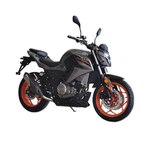

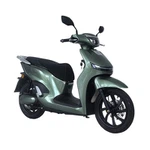
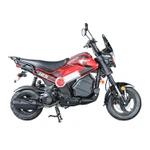
Electric Motorcycle
Wuxi Yifan Industry: a Professional Electric Motorcycle Manufacturer
As a one-stop factory, we can provide customers with the best prices.
Variety of Products
Our company mainly provides various CKD motorcycles and motorcycle parts, and has the ability to develop various new products. Our motorcycle types mainly include cruiser motorcycles, sports motorcycles, scooters, touring motorcycles, retro motorcycles, and electric motorcycles.
Strict Quality Standards
Our products are of reliable quality and strictly implement the testing and control standards of ISO quality certification. We adhere to the corporate philosophy of "quality first, customer first, sustainable development" to serve the vast number of new and old users and welcome a broader market.
Professional Service
Utilizing a complete after-sales service system, we are committed to building a standardized modern enterprise. Our professional team can provide suitable solutions according to customers' actual needs.
Rich Market Experience
With reliable product quality and perfect service, our products are not only sold well in Southeast Asia, but also exported to Asia, Africa, the Middle East, and Latin America. Our employees have extensive market experience to serve customers around the world.

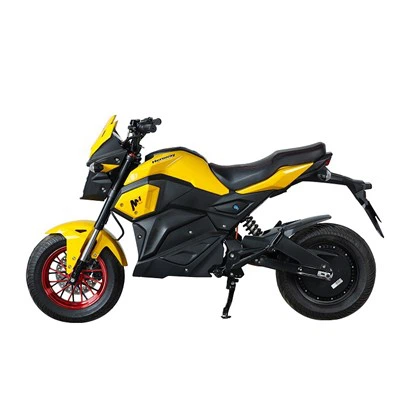

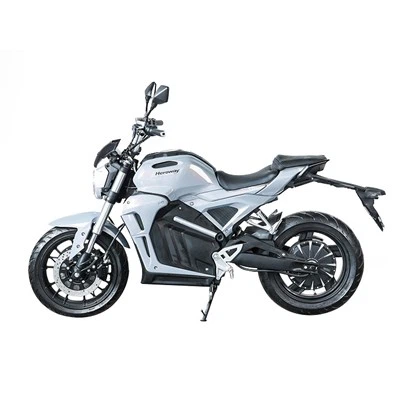

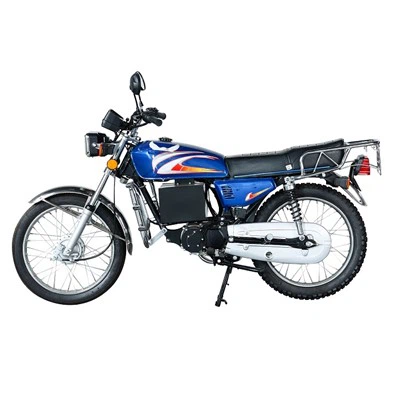


Regular motorcycles come in varying shapes and sizes, and the same is true for electric ones. While some electric motorcycles offer more exotic layouts, with some even featuring a hollow rear wheel, the formula for most of these bikes is pretty simple. Electric motorcycles substitute the internal combustion engine of a regular bike for big lithium-ion batteries, along with an electric motor that drives the rear wheel. This is the formula for big power and instant torque, and electric motorcycles use it to their advantage. An electric motorcycle's performance range and performance hinges on the capacity of the aforementioned batteries, along with the power delivered by the electric powertrain. There are different types of electric motorcycles, such as the ones in the mold of traditional street bikes, as well as more adventurous e-motorcycles that compete with traditional motocross bikes.
Main Components of an Electric Motorcycle
An electric motorcycle, as any other motorcycle, is made from an enormous amount of components. All of these components are important for a proper functionality of the vehicle.
Rechargeable Battery
The most important component of an electric motorcycle is its battery. These bikes don’t need big engines, but instead, they require a lot of space for the batteries. Each electric bike usually uses one single battery. There are multiple different types of batteries that are commonly used in electric motorcycles. All types of batteries are rechargeable and the lifespan is somewhere between 2-10 years, depending on the type.
Electric Engine
The engine of an electric motorcycle is much smaller and less complex compared to engines of conventional motorcycles, as it doesn’t have that many parts needed to operate. There is no cylinder and no piston, which are the two most important parts of gas-powered engines. Also, electric engines don’t need an engine oil, which the gas engines must have for lubrication.
Other Components
To transfer the power from the engine into the wheels of the bike, both the electric motorcycles and gas-powered motorcycles have many different moving parts that are crucial for their functionality. The most important of these parts are chain and sprockets.
Features of Electric Motorcycles
More Comfortable to Ride
Electric motorcycles offer a better ride experience because they are quieter, smoother, and more comfortable. Riding an electric motorcycle is more comfortable. There’s no heat source roasting your thighs or the ankle of your passenger. In traffic you aren’t sitting in a cloud of exhaust (at least not your own). Your garage doesn’t have oil stains on the ground. The bike isn’t vibrating your wrists or your family jewels (not to mention the studies that show the heat and vibration of gas motorcycles contributes to low sperm count and erectile dysfunction). Just about every aspect of the riding or ownership experience is physically more comfortable as well as healthier.
Cheaper to Operate
When it comes to daily operating costs, there’s no comparison. Electric is simply easier on your wallet. And it’s not just the fuel. Sure, gas is expensive compared to much cheaper electricity. That’s an easy one to see the instant advantage of electric drive. But it’s all the other costs that add up too. There are no air filters to replace. There are no periodic oil changes. There’s not a constant list of consumables that you have to keep buying in order to ride.
Less Maintenance
Electric motorcycles also enjoy the reduced maintenance that comes with electric motors and batteries versus complex internal combustion engines. Regular motorcycles need constant maintenance of all the engine's moving parts, as well as the ancillary bits, to keep the engine running properly. Oil changes are also super important when maintaining your traditional motorcycle, but you can say goodbye to routine engine oil changes in your electric motorcycle. However, it's important to keep in mind that just like you need to take care of your EV's battery, electric bikes equipped with lithium-ion batteries also require proper care and the proper charging procedures.
No Refueling
Another great thing about electric motorcycles is that they don't need refueling. In fact, electric motorcycles don't even have a gas tank, which eliminates many of the dangers associated with riding a tiny vehicle with a big tank of gas. Charging your electric motorcycle at home should also be cheaper than filling up a traditional bike at the gas station, especially with soaring gas prices.
Ease of Control
Electric motorcycles are generally (but not always) single-speed, meaning you have no gears to shift. They aren’t automatic transmission since there isn’t any shifting, but it’s fairly analogous to comparing a car with a manual transmission to one with an automatic transmission. Without worrying about any shifting, 100% of your focus is on your riding. That means more mental energy for bike control, car awareness, road debris, lane presence, etc.
Quiet
One of the greatest advantages of electric motorcycles is that they're relatively quiet, especially compared to extremely raucous traditional bikes. Internal combustion motorcycles are huge sources of noise pollution, and e-motorcycles completely substitute the annoying roar of an engine for the whine of an electric motor. Imagine riding through a scenic route in serene silence instead of roaring through and disturbing everybody in sight.
Electric Motorcycles Specification
|
Model |
V8D-3000W |
|
Dimension |
2020*750*1060mm |
|
Wheel Base |
1320mm |
|
Ground Spec |
160mm |
|
Seat Height |
790mm |
|
Motor Type |
HUB motor |
|
Motor Power |
72V3000W |
|
Battery |
72V20AH/30AH/40AH |
|
Option Battery |
AC110V-240V |
|
Charge Time |
4-6H |
|
Max. Speed |
≥80KM/h |
|
Max. Range |
≥70KM/h(with 50km/h) |
|
Net Weight |
92KG |
|
Gross Weight |
135KG |
|
Max. Loading |
150KG |
|
Front Brakes |
Disc |
|
Rear Brake |
Disc |
|
Front Wheels |
110/70-16 |
|
Rear Wheels |
140/70-16 |
|
Packing Type |
Carton with iron bracket |
|
Packing Size |
1860*570*850mm |
|
40' HQ Container |
75pcs |
Benefits of Electric Motorcycles Vs Gas Motorcycles
*Emissions: By using electricity to power their bikes, electric motorcycle riders don’t emit any exhaust fumes that contribute to air pollution. Removing gasoline, oil and combustion from the equation makes electric motorcycles a much more environmentally friendly choice for riders.
*Maintenance: Compared to conventional motorcycles, electric bikes are much easier to maintain. Electric motorcycles have a much simpler design with no oil or cooling system, so there are significantly fewer things that need to be maintained, and fewer things that could potentially go wrong.
*Torque and Power: Electric motorcycles have some seriously impressive torque and can achieve peak power almost instantly from 0 RPM. This means electric motorcycles are able to reach their top speeds much faster than a combustion motorcycle, although conventional bikes will still be able to build up to a higher speed overall.
*Speed: Gas-powered motorcycles are able to achieve higher speeds than electric motors, but that’s not to say that electric motorcycles are slow. Both electric and gas motorcycles can reach speeds of over 200MPH, which should be more than enough for most riders.
*Price: Electric motorcycles, on average, have a higher price tag than gas motorcycles. However, that extra cash upfront could end up paying for itself in the long run. Electric motorcycles are much cheaper to power since they only need to be recharged rather than filled with gasoline. The cost of maintenance on gas motorcycles can also add up over the years and eventually cost more than an electric motorcycle.
Factors to Consider When Choosing the Best Electric Motorcycle
In the past, the main motivation for buying an electric motorcycle was to reduce your carbon footprint. However, with electric motorcycles now on par with petrol models in terms of performance and variety, you can now choose a motorcycle that suits your specific riding needs.
Range refers to the total distance a bike can travel per charge. The total travel estimate given in the motorcycle specifications may be affected by a number of different factors such as: rider style, weather conditions, traffic, road type, rider height and weight. When considering which electric motorcycle is best for you, some estimating is necessary. These include not only your daily mileage, but also the nature of your route (such as use of city streets, motorways, rural areas and charging stations). This type of breakdown is important because all-electric motorcycles have a maximum range when fully charged. Especially look at the manufacturer's specs section to make sure they're quoting city, highway or mixed battery range. The range of electric motorcycles varies from model to model. Lighter scooter models have a range of about 60 miles, while some heavier cruiser models have a range of about 250 miles.
Now that you've considered the purpose of a bike and the range it can travel, let's move on to the power, torque, and speed of a bike. In other words, what can you expect when you step on the gas? There is some confusion in the cycling community about the difference between these terms. Power is measured in kilowatts. To determine a bike's horsepower, multiply the kilowatts by 1.34. Torque is measured in foot-pounds. The greater the torque, the greater the acceleration. It's self-explanatory how speed is measured. Speed depends on engine power and bike weight.
The time it takes for a battery to regain its useful life can be just as important as the range available from a full charge. Most electric motorcycles have built-in Level 1 and Level 2 chargers. Level 1 chargers use a 120-volt connection. Charging time is shorter than the other two. Level 1 charging takes 10-13 hours if the battery pack is depleted to 20% SOC and 13-16 hours if the battery pack is at 0% SOC. Level 2 chargers use a 240-volt connection. Charging times are faster than Level 1 charging, making it worth using if you don’t have a Level 2 charging station nearby. Charging time is less than 3 hours. CSS (DC Quick Charge/Combined Charging System) is lightning fast. CSS fast charging charges your bike to 80% in just 45 minutes. To charge most e-bikes at home, you will need to install an EVSE (Electric Vehicle Supply Equipment) that complies with the J1772 standard. Alternatively, you can use a Level 2 charging station on the road. So where can you find Level 2 charging stations? Almost everywhere! Use any Level 2 charger locator app to find charging stations near you.
It is crucial that the motorcycle you choose has the correct size and weight, as well as the correct seat height. Proper motorcycle ergonomics mean you can comfortably control your motorcycle regardless of your riding position. The motorcycle riding position changes, however, depending on whether you're commuting in a more upright position in the city or leaning forward to carve canyons when out and about. Because your riding position changes, so does your motorcycle.
This is an important question - let's face it, the battery is the heart of an electric motorcycle. To be clear, this is the number of times the battery can be charged, not the range of a fully charged battery. Just as internal combustion engine motorcycles wear out after a few kilometers, the same thing happens with electric motorcycles. However, over the life of the vehicle, you will spend significantly less time, effort and money maintaining an electric motorcycle than an internal combustion engine motorcycle. No more winterizing, removing the battery, or adding fuel stabilizer - now you can just plug it in and get going! Rest assured that the motorcycle you choose will likely have a long battery life. When you start to see battery degradation, you're ready to buy a new motorcycle.
Manufacturers of all-electric motorcycles are obliged to provide warranties. The fine print makes a big difference, but in addition to covering the frame and bike components, the warranty should also cover the shelf life of the battery. The devil is in the details, though, and the warranty fine print often contains many details about your bike that you should know. These details will cover the following: maximum and minimum operating temperatures; how to charge the battery; and how much power remains in the battery when stored for extended periods of time. To comply with the terms of your warranty, you must comply with these terms.
There are electric motorcycles to suit any budget. Electric motorcycles are no longer just for the super rich and the environmentally conscious. Now, thanks to technology and motorcycle engineering, you can order a high-performance electric sportbike for just $264 per month. Furthermore, another advantage for electric vehicle riders is the various incentives on offer. It’s no secret that switching to electric vehicles will have a very positive impact on air quality. Global goals to significantly reduce carbon footprints have led Canada and the United States to introduce a variety of incentives, grants, and even electric motorcycle tax credits. Electric motorcycle brands will be happy to let you know about them, but if you're overwhelmed, check your government and national funding options for electric motorcycles.
Maintaining an Electric Motorcycle
Careful Battery Care
Proper battery care is the most important maintenance task for an electric motorcycle. After all, the battery is the heart of the bike. In most cases, all you need to do is follow the manufacturer's instructions for charging the bike; by avoiding overcharging and undercharging, you can maximize the lifetime of the battery. When the bike is in storage, make sure the temperature isn't too hot or cold. Extreme temperatures can damage the battery.
01
Regular Cleaning
Dirt, debris, and road salt can build up on your motorcycle. Wash the bike frequently to prevent buildup from damaging the motor, scratching the paint job, or causing rust on the frame. When cleaning an electric motorcycle, always use low-pressure water and manufacturer-recommended products. If your bike has a chain, make sure to clean and lubricate it.
02
Maintain Tire Pressure
Correct air pressure allows your tires to grip the road and bear the weight of the bike. Before every ride, take a minute to check the tire pressure. If it's below the recommended limit, add air. This easy step can reduce uneven tread wear and keep you safe on the road.
03
Check the Brakes
On an electric motorcycle, the brakes are the most important safety feature. Ensure that you can stop quickly by inspecting the brakes on a regular basis. Check the pads for wear, and replace them as needed. It's also a good idea to look for grooves or cracks in the rotors and calipers. With frequent inspections, you can catch and repair small issues before they affect the entire brake system.
04
Inspect Lights
Every once in a while, test the lights on your electric motorcycle. Start with the turn signals; make sure each one is equally bright and functioning properly. Then, turn the headlight on and off to ensure that the bulb is in good shape. After you ride on rough ground, you might need to readjust the headlight to ensure it's aimed at the correct spot.
05
Our Certificate
We obtained the following certificates:

Our Factory
This is a photo of our factory:


FAQ
Q: How do electric motorcycles affect the environment?
Q: Why is my electric motorcycle not charging?
Q: Are electric motorcycles faster?
Q: What do you need to charge an electric motorcycle?
Q: How does motorcycle charging system work?
Q: Do electric motorcycles stall?
Q: What voltage is an electric motorbike battery?
Q: Is electric motorcycle AC or DC?
Q: How safe are electric motorcycles?
Q: Why would anyone want an electric motorcycle?
*Environmentally friendly: Electric motorcycles have zero exhaust emissions, making them a more environmentally friendly choice. Riding an electric car means less air pollution and a smaller carbon footprint.
* Lower operating costs: Electricity is often cheaper than gasoline, especially during periods of rising gas prices. The cost of charging an electric motorcycle is significantly lower than the cost of refueling a gasoline-powered bicycle.
*Lower maintenance costs: Electric motorcycles have fewer moving parts than internal combustion engines, so they typically require less frequent maintenance. No oil changes are required and wear on components such as brakes is reduced.
*Smooth Performance: Electric motorcycles deliver instant torque, ensuring fast and smooth acceleration. No need to shift gears for a seamless riding experience.
Q: How difficult is it to ride an electric motorcycle?
Q: How do I know when I need to charge my battery?
Q: What is the service life of lithium batteries for electric motorcycles?
Q: How much storage space is available on an electric motorcycle?
Q: Electric motorcycles look huge. Are they easy for little people or anyone to ride?
Q: How do you protect the frame from corrosion?
Q: What is the problem with corrosion in aluminum motors and how does an oil bath prevent this problem?