


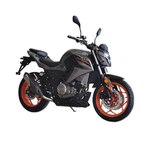

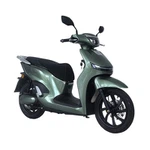
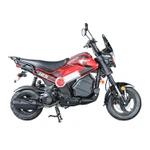
Retro Motorcycle
Wuxi Yifan Industry: a Professional Retro Motorcycle Manufacturer
As a one-stop factory, we can provide customers with the best prices.
Variety of Products
Our company mainly provides various CKD motorcycles and motorcycle parts, and has the ability to develop various new products. Our motorcycle types mainly include cruiser motorcycles, sports motorcycles, scooters, touring motorcycles, retro motorcycles, and electric motorcycles.
Strict Quality Standards
Our products are of reliable quality and strictly implement the testing and control standards of ISO quality certification. We adhere to the corporate philosophy of "quality first, customer first, sustainable development" to serve the vast number of new and old users and welcome a broader market.
Professional Service
Utilizing a complete after-sales service system, we are committed to building a standardized modern enterprise. Our professional team can provide suitable solutions according to customers' actual needs.
Rich Market Experience
With reliable product quality and perfect service, our products are not only sold well in Southeast Asia, but also exported to Asia, Africa, the Middle East, and Latin America. Our employees have extensive market experience to serve customers around the world.


Most of the retro models today started life as a naked bike which has been modified to look more traditional, but without sacrificing all the modern tech and riding experience you would expect from a new bike. Retro motorcycles give you the look and feel of great motorcycles from the past but with modern technology. These motorbikes often feature a combination of vintage styling cues and modern technology, such as spoked wheels and round headlights but with LED lighting and a fuel injection system to pass emission regulations.
Main Components of a Retro Motorcycle
Let’s first take a quick look at a motorcycle’s basic yet essential parts.
Wheels
A motorcycle’s wheels carry the vehicle’s weight, rider, pillion, and luggage load. The rims are often spoked or alloy. Spoked wheels are common dirt bikes and vintage motorcycles. Alloy wheels are common on most street bikes and high-performance machines for their high-speed stability and ease of manufacturing.
Tires
Tires are the only link between the rider and the road and ensure a solid grip on the terrain. Manufacturers recommend changing your motorcycle’s tires every five years, regardless of signs of wear. Tires consist of several layers, multiple compounds, and interwoven materials. They are durable and can withstand rocks, potholes, and uneven road surfaces. Tires are available in many variations. Each one has a specific use. For example, touring tires can handle long-distance riding. A tire is one of the most critical parts of a motorcycle and a part that needs a regular and thorough inspection.
Suspension
A motorcycle’s suspension uses a combination of springs and dampers to isolate the rider and chassis from surface imperfections. Front forks and rear shock absorbers support all the bike’s sprung weight. They work to minimize the effect of bumps, potholes, cornering, acceleration, and deceleration forces. The dampening of the shock absorbers also allows the wheel to maintain proper contact with the road.
Engine
At the beating heart of every motorcycle is its engine. It is responsible for providing power to the rear wheel and, in the case of internal combustion engines, is fuelled by gasoline. They consist of pistons, a cylinder block, cylinder head, crankshaft gearbox, and much more. Motorcycle engines are often either two-stroke or four-stroke. Their classification depends primarily on three characteristics: the number of cylinders, cubic capacity, or the number of power strokes per revolution of the crankshaft.
Exhaust System
A motorcycle’s exhaust system conveys harmful gasses from the engine’s combustion chamber, with many systems filtering gasses via a catalytic converter. Depending on the number of cylinders, an exhaust system may consist of a number of header pipes and silencers.
Brakes
Brakes are responsible for slowing the motorcycle or bringing it to a complete stop. Brakes range anywhere from dual calipers, single calipers, radial mounted, axial mounted, hydraulic, cable operated, and so much more. There are two basic types of brake systems, calipers, and drums. One is responsible for the front wheel and the other for the rear. When the rider applies both brakes simultaneously, they work in harmony to bring both wheels to a stop. As the front brake takes more load, the brake pads wear out faster than the rear.
Gas Tank
The role of the gas tank is to store the fuel necessary to power the motorcycle’s engine. An average size gas tank can hold between 3-6 gallons. Miles per gallon will depend on many factors, including the engine’s cubic capacity, environment, motorcycle type and usage, and riding style.
Frame
The backbone of a motorcycle is its frame, and for production, motorcycles are either steel or aluminum. Some exotic motorcycles even use carbon fiber. The frame provides the base for the bike’s components, including the rear suspension, steering, engine, gas tank, and battery.
Transmission
A motorcycle’s transmission regulates the engine speed via a gearbox. It delivers power to the rear wheel and enables the bike to move forward. Most modern motorcycles have either 5 or 6 gears while some exotic touring bikes even have a reverse. There are even automatic transmissions in some motorcycles.
Dashboard Display
The dashboard display is often located forward and center of the motorcycle handlebars and provides the rider with vital vehicle info and data. It can tell you the vehicle and engine speed, engine temperature, potential mechanical issues, and more. There are four main dashboard display types. These are analog, digital, TFT, and LCD.
Features of Retro Motorcycles
Modern Disc Brakes
Modern braking systems on retro motorcycles keep the brake discs ventilated and at a stable temperature. It also sends messages to the brake lever to ensure smooth operation. The performance bike's braking system features petal-style discs and aggressively mounted calipers to minimize unladen mass.
Performance Tyres
This is another modern feature that is necessary for a high-performance motorcycle, whether purchased with own funds or a two-wheeler loan. Your engine puts out maximum power when you're about to reach your bike's top speed. Performance tires are built in such a way that materials such as the rubber compound and tread provide solid grip even on slippery roads. In short, performance tires are known for their good looks, high performance, and better grip.
Liquid Cooling
Larger capacity bikes use different cooling methods than smaller displacement motorcycles. In a liquid cooling system, the heat emitted by the engine is absorbed by the fluid that is constantly circulating inside it. The liquid then flows down to the radiator to cool it. On high-performance vintage motorcycles, this process is repeated to keep temperatures stable and prevent component damage from overheating. Liquid cooling also keeps the engine properly lubricated.
Aerodynamic Efficiency
Retro motorcycles, with their pointy nose and lightweight design, can block wind from the opposite direction with little resistance. A bike with efficient aerodynamics allows the engine to cope with its heavy weight and the body panels' resistance to incoming winds.
Retro Motorcycles Specification
|
Model |
AX100 |
|
Engine Type |
100CC, 4 Stroke |
|
Displacement |
100ml |
|
Dimension |
2030*700*1060mm |
|
Engine |
1E50FMG |
|
Bore & Stroke |
50mm*50mm |
|
Cooling System |
Air cold |
|
Compression Ratio |
8.6:1 |
|
Fuel Feed |
90# Gasoline |
|
Max Power (KW/rpm) |
6.29kw/7200rpm |
|
Max Torque (N.M/rpm) |
8.55N.m/6500rpm |
|
Max Speed |
90km/h |
|
Ground Clearance |
170mm |
|
Fuel Consumption |
2.0L/100KM |
|
Ignition |
CDI |
|
Transmission |
china |
|
Fuel Tank Capacity |
12L |
|
Starting System |
Kick/Electric |
|
Front Brakes |
Disc |
|
Rear Brake |
Drum |
|
Front Wheels |
3.00-18 |
|
Rear Wheels |
3.00-18 |
|
Wheel Base |
1230mm |
|
Seat Height |
770mm |
|
Net Weight |
83KG |
|
Gross Weight |
108KG |
|
Packing Type |
Carton with iron bracket |
|
Packing Size |
1700*460*860mm |
|
40' HQ Container |
126pcs |
Advantages of Riding a Retro Motorcycle Rather Than a Car
Easy and Affordable Parking
For most car owners without reserved parking, looking for parking slot during rush hour is difficult to say the least. Whether it’s waiting for a slot or scoping the entire car park to find one, looking for free parking space with a car does take up a lot of time. For motorcycle owners, on the other hand, finding parking isn’t a problem. With plenty of allocated slots for motorcycles, you wouldn’t have to worry about finding one. Plus, you also wouldn’t have to worry about difficult parking situations such as parallel or perpendicular parking. Parking fees are generally a lot cheaper for motorbikes too.
Easier and Faster to Navigate
Traffic (almost) means nothing for a motorcycle rider. When stuck in a traffic jam during rush hour, motorcycles can conveniently weave in between stationary cars to get to their destination faster. Part of what riders love about motorcycles is the sense of freedom they get when their on the road.
Pay for Less Petrol
Compared to cars, motorcycles save more on fuel because of range. The average fuel consumption rate for motorcycles is at 30-40km/litre, whereas cars average 10-15km/litre. With a lighter load, motorcycles can go further with a lot less fuel.
More Affordable to Maintain
With fewer engine parts to think about, having your motorcycle serviced is more affordable than a car. And with less complex technology that requires special and expensive maintenance, you wouldn’t have to worry about a hefty maintenance bill.
Insurance Premiums are More Affordable
Motorcycle insurance premiums also cost a lot less in comparison to car insurance premiums. Based on the lowest possible price based on premium calculation, motorcycle owners can pay as low as 68% on motorbike premiums as compared to car premiums. Do note that policies vary depending on the type of bike you are riding.
Quicker to Clean
One of the most convenient things about owning a motorbike is how fast it is to clean. Sure, you’ll need to do it more regularly to avoid rust and dirt build-up. But it will improve the performance of your motorcycle over time and it will also preserve its resale value.
Everything You Need to Know Before Buying a Retro Motorcycle
The first thing you need to consider when buying a motorbike is the price. How much are you willing to spend on your purchase? A motorbike fit for a beginner could cost you around $5,000 to $10,000. Do not just consider the purchasing cost when planning your budget. Other things you need to consider include;
*Insurance
Accidents could happen to anyone and at any time. You need to prepare for unforeseen risks by getting an auto insurance cover for your bike. It’s also vital to remember the importance of regular bike insurance renewal to ensure continuous protection for your motorbike against potential risks. Shop around for auto insurance quotes before zoning on one that fits within your budget.
*Gear
You need to consider the cost of personal protective gear, such as helmets, boots, and gloves to ensure safety.
*Maintenance and Equipment
Your motorbike needs regular maintenance to improve its functionality. You should factor in the cost of replacing tires, drive belts, chains, and regular oil changes when determining the maintenance cost.
It is also recommended to invest in a high quality motorcycle cover. It helps shield your bike from various weather elements that can cause significant damage to the bike’s paint, metal, and other parts over time, leading to costly repairs or replacements. Moreover, a cover also prevents dust, debris, and other particles from settling on your motorcycle’s surface, which can cause scratches, rust, and corrosion. Regularly covering your Harley will save you time and effort on cleaning and overall maintenance.
Will you be riding for long or short distances? Will you be traveling in lots of traffic? Daily or occasional commute? Motorcycles come in distinct sizes and shapes, so evaluating how you intend to use your bike makes selecting one easier. If, for instance, you want to use your bike for your daily commute, a comfortable bike that gets more miles to the gallon should be top of your list.
Motorbikes come in different types, each with distinct features. Some of the different types of motorbikes in the market include sport bikes, cruisers, sport touring, dual-purpose, and touring, among others. You should consider how you intend to use your bike, where you plan to use it, and your experience level to determine the right option for you. Conduct in depth research, read reviews and consult an expert for more insights on the right type of bike to purchase.
While it is tempting to go for the fastest and most powerful ride in the market, you should ensure that the bike’s performance matches your experience. As a newbie, opt for a smaller bike to master basic riding skills and gain experience and confidence. You can upgrade to a stronger and faster motorcycle model once you are comfortable with your riding skills.
Do not base your choice of a motorbike on its appearance online and performance. Since bikes come in different sizes and shapes, you should try a ride for size and even take it out for a spin. This helps determine a bike that feels comfortable and appropriate for your body size.
DIY Maintenance for Your Retro Motorcycle
Check Your Tyres
Check the pressure of your motorbike’s tyres. Many of us forget to check the tyres, which is one of the most crucial elements in maintaining a motorcycle. Under-inflation or lack of pressure in the tyres can affect handling and braking. This is because the tyre wall will flex and effect the grip on the road surface. Your tyres won’t respond as quickly as they would if they were properly inflated. Under-inflated tyres lose stability - affecting the performance of your motorbike and ultimately endangering you as a rider. On the other hand, too much pressure, or over-inflation, can decrease the size of the contact area. This reduces the motorbike’s traction and affects grip. This means more damage and wear to your tyres resulting in you spending more money on repairs. Over-inflation gives your bike a harsh and noisy ride. Inflation pressure is measured in pounds per square inch (psi) or BAR. Check the maximum recommended psi for your tyres printed on them or consult the manual for the correct pressure. Note that your tyres may be different from other types of tyres, which have different maximum recommended psi’s. Checking the pressure should be done weekly, depending on the amount of ride time.
Check the Chain Tension
The chain must be at the correct tension, as an improper chain tension can result in premature sprocket and gearbox wear. It can also cause rough gear-shifts and an erratic transmission. This can further cause the reduction of rear suspension travel and will limit the life of the drive chain. Adjust your motorbike’s chain according to the workshop manual to the correct chain tension. Set the tension with someone or something on the bike to simulate a real setting. Observe the tightening of the chain as you apply load. While you’re at it, you can do some chain lubrication to prolong your motorbike’s life.
Check Your Batteries
Problems with batteries usually happen because they run flat. If this happens on the road, it can be a major hassle. Prevent this from happening by doing routine checks of your motorbike’s battery. Remove the battery from the holder to have a closer look. Remember that batteries contain strong acid which will harm your skin upon contact. So always be careful. You can check the level of acid in the battery by placing it on a flat and level surface. If the level is quite low, you can add de-ionised water before charging the battery with a motorbike charger. Do not overfill the battery. If over-filled, acid will drain out the overflow pipe as you are riding. However, some batteries are sealed. You may not be able to top them up. Do not use force to open them. They have gel inside and cannot be serviced - best to replace them if they will not hold a charge. Do not forget to grease your battery terminals before placing them back in the motorbike. This will help avoid corrosion. Also, remember not to touch both terminals at the same time. You will get an electric shock.
Check Your Oil and Filters
Generally, your engine oil should be changed every 5,000 kilometres. Remove the oil filler cap from your motorbike. You can do this while the engine is still warm. Place a tray under the bike and remove the sump plug. Drain the oil and remove the filter with a spanner. Replace the plug and tighten to correct torque setting. Smear some clean oil on the rubber filter gasket before tightening. Refill the engine with new oil. Start the bike and check for leaks. Give it around 5 minutes for the oil to drain back into the sump. Recheck the level and add oil if necessary. Remove any excess oil using an oil syringe.
Oil and Grease Your Motorbike
You need to oil and grease your bike for a smoother and more responsive ride. Aside from corrosion prevention, oiling and greasing will leave your motorbike feeling fresh, give you better control, and increase cable life - making riding more pleasurable. Oil your cables and adjust them to take out any slack. This is to avoid the impairment of your motorbike’s throttle or clutch. Your cables will last longer if they are regularly lubricated. Change your front fork oil as per the maker’s specification. This is normally done about every 10,000 kms or every two years. Grease and lubricate the drive chain, wheel spindles, hinges, fasteners, levers and pivot points, keyholes and locks. Gearchange assemblies and brake lever pins will give their full potential when they are well greased. Do not spray lubricant near disc brakes.
Clean Your Motorbike!
Of course, you will need to clean your motorbike regularly. Aside from the aesthetic benefit of doing this, you will be able to spot anything that may cause problems in the future. Wash your bike with a proper automotive detergent. Some may opt to clean with a bike cleaning solution, which is perfectly fine. To avoid scratches, use a smooth cloth or sponge. Do not use dish washing soap or other household detergents. They are highly alkaline and may cut the grease and obliterate the wax coating on your bike. Do not scrape, scrub or rub the dead bugs on the front part of your bike. Improper scrubbing will result in unwanted abrasions. Soak the bug bits first to soften them up before wiping them off. Apply a protective wax after you wash. This is to create a barrier against harmful contaminants, and UV rays as well. Try to use a blower to dry your motorbike completely. Drying with a cloth takes a long time and may cause fine abrasions.
Our Certificate
We obtained the following certificates:

Our Factory
This is a photo of our factory:


Frequently Asked Questions
Q: Why are retro motorcycles popular?
Q: What is retro style motorcycle?
Q: What causes a motorcycle to flip?
Q: How long does it take to fix a motorbike?
Q: Is it easy to fix a motorcycle?
Q: What is bad for a motorcycle engine?
Q: How long does it take to change the oil in a motorcycle?
Q: How often do you need to change your motorcycle air filter?
Q: Do motorcycles use different oil than cars?
Q: Are motorcycles good for daily driving?
Q: How long do motorcycle helmets last?
Q: What causes a motorcycle high side?
Q: What causes motorcycle understeer?
Q: What causes flat tires on a motorcycle?
Q: How do you soften suspension on a motorcycle?
Q: Can you patch a motorcycle tire?
Q: How do tubeless motorcycle tires work?