


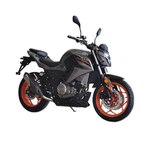

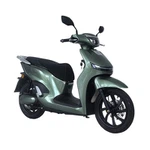
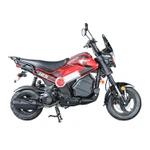
Sport Motorcycle
Wuxi Yifan Industry: a Professional Sport Motorcycle Manufacturer
As a one-stop factory, we can provide customers with the best prices.
Variety of Products
Our company mainly provides various CKD motorcycles and motorcycle parts, and has the ability to develop various new products. Our motorcycle types mainly include cruiser motorcycles, sports motorcycles, scooters, touring motorcycles, retro motorcycles, and electric motorcycles.
Strict Quality Standards
Our products are of reliable quality and strictly implement the testing and control standards of ISO quality certification. We adhere to the corporate philosophy of "quality first, customer first, sustainable development" to serve the vast number of new and old users and welcome a broader market.
Professional Service
Utilizing a complete after-sales service system, we are committed to building a standardized modern enterprise. Our professional team can provide suitable solutions according to customers' actual needs.
Rich Market Experience
With reliable product quality and perfect service, our products are not only sold well in Southeast Asia, but also exported to Asia, Africa, the Middle East, and Latin America. Our employees have extensive market experience to serve customers around the world.


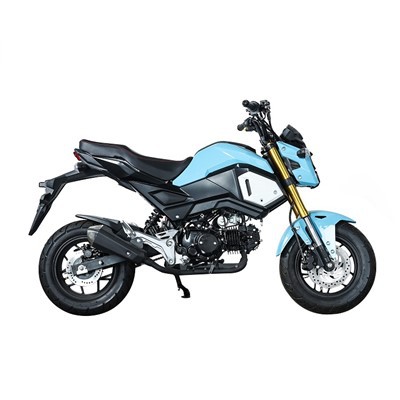


Compared to other motorcycle styles, sport bikes are designed almost purely for performance. These motorcycles often combine powerful engines with lightweight frames to deliver ultimate speed, power, and performance. The motorcycle's design also encourages a more aggressive riding style and allows for tighter turns and more nimble handling than most other bikes. Sport motorcycles are available in a variety of engine sizes. The lower-end motorcycles in the range come with smaller 300 to 400cc engines, while the higher-end motorcycles come with engines up to 1,000cc. These more powerful sport motorcycles are primarily designed for racing or track riding and require an experienced rider to handle all the speed and power.
Basic Parts of a Sport Motorcycle
Chassis
A chassis is a mainframe on which motorcycle components such as suspension, wheels and brakes are mounted. Welded steel, aluminium or their alloys make the chassis lightweight and provide the necessary rigidity. There are different motorcycle frames which vary based on performance, strength and stability parameters.
Engine
The main function of the engine is to power the bike. There are two types of engines for motorcycles: two-stroke and four-stroke. The combustion chamber controls the ignition of the air-fuel mixture which powers the rear axle. A clutch then transfers the power from the engine to the suspension and rear axle. Moreover, inline-two cylinders, inline-four cylinders and V twin are some other types of engines used in motorcycles.
Suspension
The suspension of a motorbike ensures prevention from bumps and vibrations on the road. It consists of two main components: a spring and a damper. These components absorb the impact and maintain the stability of the vehicle. A motorcycle has a front fork suspension and a rear suspension. The front fork suspension consists of a pair of fork tubes and the rear consists of a swingarm and shock absorbers. The front wheel of the motorcycle is connected to the axle by the front fork. It allows the rotation and steering of the front wheel.
Controls
A motorcycle consists of the following controls:
*Throttle: It increases or decreases the speed of the motorcycle depending on the direction of the lever.
*Brake Lever: A motorcycle has a single brake lever. The front brakes are controlled by the front levers while a pedal controls the rear brakes.
*Clutch Lever: Pulling a clutch lever disengages the power to the rear wheel and releasing it returns the power to the back wheel. A clutch lever is located at the right-hand side of a motorcycle, adjacent to the brake lever. It is an important component and must be checked when test riding a motorcycle.
*Gear Changer: Gear changing involves the use of a clutch handle and foot pedal. Its purpose is to speed up or stall the vehicle.
Dash Cluster
A dash cluster is located between the handlebars and is in plain view. It consists of a speedometer, an odometer, an ignition lamp, an ignition switch and an indicator repeater. The number of instruments on each dash cluster varies with the model of the motorcycle. There are two types of dash clusters for motorcycles: analogue and digital.
Storage
A motorcycle does not have built-in storage but it can be added externally to bring things on long motorcycle trips. A top box, saddlebag, rack or tank bag can be strapped to the vehicle as a storage compartment.
Tank Fuel
Tank fuel in a motorcycle plays the same role as in automobiles. It is located at the top of the motor, between the handlebars.
Seat
A seat is a crucial motorcycle part for going on a comfortable and long journey. Motorbike seats can be modified according to the requirements. ergonomics and motorcycle seat heights can be adjusted for the riders.
Tyres
They provide traction, resist wear and absorb irregularities and bumps to ensure a smooth ride. Motorcycle tyres vary based on sizes, shapes, aspect ratio, load index and speed rating. Off-road, street and dual sports are some of the commonly used tyres. They allow traction on off-roading trails and uneven grounds. This motorcycle part is attached to the rims. Rims are commonly found in two types: spoked and solid.
Handlebars
The handlebars control the movement and steering of the motorcycle. They contain the following control components: Start switch; Engine cut-off switch; Light controller; Brake control handle; Air damper. The handlebars can be modified to suit the rider's preference.
Footpegs
Footpegs are one of the important motorcycle parts that provide a firm grip on the road and improve handling. They allow the rider to mount the motorcycle comfortably and plant their feet safe during the ride. A footpeg has three main components: rear-brake pedals, a gear-shifting pedal and a kickstart pedal. Various types of footpegs provide different degrees of weight distribution and durability. They include passenger, highway, anti-vibration, engine guard and dual highway.
Cooling System
The cooling system of a motorcycle prevents the engine from overheating. It works in two ways: air-cooling and water-cooling. Rigs and fens mounted on the engine prevent the engine from overheating and are used in both types of cooling systems.
Exhaust
The purpose of an exhaust is to channel out the ignited mixture from the internal combustion chamber. An exhaust, paired with a muffler, is also important to reduce the noise of the motorcycle. It also maintains the performance of the engine.
Brakes
A motorcycle has two pairs of brakes to stop the motion from going forward, a front and a rear. Disc and drum brakes are most commonly used in motorcycles to provide braking power.
Fenders
Fenders are another addition in the list of motorcycle parts. A fender is a fibre or an alloy cover that is attached to the wheel. The purpose of motorcycle fenders is to provide support to the front fork and reduce air drag. The front fender reduces the opposing forces which help in windy and mountainous terrains. They also protect the other motorists from mud and dirt.
Lights and Indicators
The signal lights on a motorcycle dashboard are colour-coded from green to red. The warning light includes an ignition light, oil pressure light, engine temperature light and ABS light. These lights indicate the working of different motorcycle components and illuminate in case of a malfunction. The headlights control is located on the left handlebar. The intensity of the headlight can be switched between a full beam and a dipped beam.
Features of Sport Motorcycles

Optimized Performance
From the engine to the frame, every aspect of the design is made with performance in mind. Even if the road is bumpy, advanced suspension systems keep the riding experience smooth. You'll feel as if you are gliding across the road! Large front and back tires increase the contact with the road's surface, making it easy to tackle tight turns. Stay in control of high speeds thanks to the high-performing brakes. These are a few of the many features that make sport motorcycles the ultimate riding experience.
Conquer Tracks
If you've got a competitive streak, you’ll want to take your sport motorcycle to the tracks! These models can hit the high speeds necessary to leave the competition eating your dust. Their impressive agility makes it easy to handle turns at high speeds. If you want to race, a sport bike is a perfect match. Most racers will seek out models in the superbike category (also called liter-class or literbikes). These sport motorcycles run off of engines with a displacement over 1000cc and are designed with racing in mind.


Minimalist Style
Sport motorcycles are crafted with a streamlined, stripped-down aesthetic. Since weight is the enemy of speed, you’ll find features that only boost performance. These bikes are made with a minimalist approach. The frame is crafted using lightweight and expensive materials, such as carbon fiber and aluminum. Usually, the frame is smaller than other motorcycles, but it still is large enough to avoid being too affected by the drag of other motorists. All of these design elements result in a slender, sleek style that will have you turning heads everywhere you ride.
Aggressive Riding Position
One key aspect of sport bikes is the riding position. Foot pegs are placed higher than usual, which brings the rider's legs much closer to the body. When you hop on, you'll adopt a forward-leaning position. This helps the rider easily access the controls. This aggressive riding position helps riders hit high speeds and stay in control of their motorcycles. However, this riding position isn’t suitable for all bikers. For example, some people suffer from chronic pain issues. Those with regularly aching joints or a sore lower back, for example, may find that the sport motorcycle riding position exacerbates their issues. It's wise to do test drives of sport bikes to see if your body can handle the riding position.

Sport Motorcycles Specification
|
Engine Type |
199CC, 4 Stroke |
446CC, 4 Stroke |
|
Displacement |
199ml |
446ml |
|
Engine |
single Cylinder, 4 punch |
Twin Cylinder, 4 punch |
|
Bore & Stroke |
65.5×59.0 |
66.5×66.2 |
|
Cooling System |
Air-cooled engine |
Water-cooled engine |
|
Compression Ratio |
9.25:1 |
11.0:1 |
|
Fuel Feed |
Gasoline 92# |
Gasoline 92# |
|
Max Power (KW/rpm) |
10.8KW/7500rpm |
22KW/7500rpm |
|
Max Torque (N.M/rpm) |
15.0N.M/6000rpm |
33N.M/5000rpm |
|
Max Speed |
120km/h |
140km/h |
|
Ground Clearance |
140mm |
140mm |
|
Fuel Consumption |
2.5L/100KM |
3.5L/100KM |
|
Drive Train |
Electric start |
Electric start |
|
Ignition |
ECU |
ECU |
|
Transmission |
Chain |
Chain |
|
Fuel Tank Capacity |
18L |
18L |
|
Front Brakes |
Disc brake |
Disc brake |
|
Rear Brake |
Disc brake |
Disc brake |
|
Front Suspension |
2 Hydraulic Suspension |
2 Hydraulic Suspension |
|
Rear Suspension |
Middle shock absorber |
Middle shock absorber |
|
Front Wheels |
110-70-17 |
110-70-17 |
|
Rear Wheels |
140-70-17 |
150-70-17 |
|
Wheel Base |
1425mm |
1425mm |
|
Seat Height |
760mm |
760mm |
|
Payload |
150kg |
150kg |
|
Net Weight |
132kg |
172kg |
|
Gross Weight |
140kg |
186kg |
|
Packing Type |
Steel + Carton |
Steel + Carton |
Sport Motorcycles Types
There are a few primary types of sports bike that you’ll want to know about before you make your final decision: lightweight, middleweight, and heavyweight. Each one has its benefits, which we’ve outlined below.
Lightweight
This class of sports bike is ideal for beginners, since the engine capacity is typically less than 500cc. These sports bikes are easy to handle and fun to ride, so they’re great for pure recreational riding purposes. Other names for lightweight sports bikes include entry-level, small, and beginner sports bikes.
Middleweight
Otherwise referred to as mid-level, mid-sized, or supersport, these bikes are best for more advanced riders, although you don’t need to be an expert to ride one. Engine displacements for middleweight sports bikes fall between 500cc and 800cc. They are great for general-purpose riding or riding around tracks, but not so much for heavy competition.
Heavyweight
Also referred to as “superbikes,” these sports bikes are typically equipped with engines that have capacities at or over 1000cc. If you’re after a truly fast and agile bike, then a heavyweight is what you need. These are the sports bikes you’ll most often see at competitions, coasting easily over the finish line.
5 Things to Consider Before Buying a Sport Motorcycle
The given pointers will provide you with the answer to what to know before buying a motorcycle.
Know Your Engine Size
Engine power is one of the essential things you must keep in mind while buying a new bike. Engine size is measured in cubic centimetres (cc) and denotes the power of a motorcycle. More power, the more expensive your bike is. For regular commutation, consider a bike having an engine size of 125cc -250cc.
Consider the Height and Weight of Bike
A rookie mistake that most people do while buying a bike is not considering the height and weight of the bike. For good control and safety, it is essential that your feet must touch the ground comfortably. Also, the bike should not be overweight as it may lead to the imbalance of the bike at lower speeds. Therefore, ensure the bike you are purchasing matches your height and muscle power for the smooth-riding of the bike.
Fuel Efficiency of the Bike
Fuel efficiency is another important aspect to be considered while buying a new bike. You don’t want to buy a bike that gives very low fuel efficiency, and you spend most of your money filling the tank of the bike. Bikes that have high engine power usually consume more fuel to efficiently run the bike’s engine. Unless you don’t use your bike to ride in extreme hilly areas, it is recommended to buy a bike with moderate power that can deliver high fuel efficiency.
Getting Insurance for Your Bike
The cost of the bike isn’t the only money you will have to spend while purchasing a bike. You will also have to buy bike insurance to stay in the traffic laws perimeter. Besides, getting insurance is a great benefit as it protects your bike from any kind of financial damages. Bike insurance can help you cover:
*Any damage to the bike.
*Theft of a bike.
*Any damages incurred to a third-party vehicle in case of an accident.
Acquisition and Maintenance Costs
Make sure to consider the maintenance costs of the bike apart from its actual acquisition costs. Every vehicle demands some regular maintenance for its smooth operation. Typically, the average service cost for a motorcycle ranges from tens to hundreds of dollars, depending on the bike you choose.
Safety Tips for Sport Motorcycle Riders
We should actually start from saying something which has been already said on countless occasions– by all means wear the helmet at all times! It is horrifying to see some of the riders being perplexed by the relaxing summer heat and forgetting about this most important safety measure. What is more, this issue is often neglected by the passengers too. Various accident statistics prove that those riders who do not wear the helmet, face the 40% higher risk for suffering serious head injury as an outcome of the accident. This also applies to the passengers – make sure that your partner also wears a helmet – we’ve seen way too many cases of bikers carrying their beloved ones on the back of their bikes, the latter not wearing the helmets or sufficient motorcycle outfit. What is more, as the popular saying goes, if you have a $10 head, buy a $10 dollar helmet. The message is clear – whatever the circumstances, you should never skimp on the quality of the helmet. Set the higher budget and buy a durable, more reliable model. While you will save less money, you could easily save your life.
Why in some climate zones it is hard to avoid the occasional rains or thunderstorms, you can definitely do without riding your motorcycle during prolonged periods of bad weather. Not only riding a bike during the torrential rain can hardly be called an enjoyable activity. What’s more, the patches of rain can seriously obstruct the visibility on the road. Not to mention the particularly slippery road surface. While this might not be such a serious issue for cars, the situation is dramatically different for motorcyclists. One wrong turn or one particularly slippery and muddy stretch of road and you are set for disaster. It’s seriously better to avoid such circumstances altogether than facing the risks. Give your bike a break for a while and wait for a better aura.
Are you a skilled motorcyclist or a rookie? Do you have years of experiences riding a sport bike or are you a fresher? Whatever your current level, take your time. Don’t embark on fast-paced rides unless you are hundred percent sure you can fully control your bike. It takes time to get used to each machine and build the required skillset. While you might feel already comfortable cruising on your bike around town, it doesn’t automatically mean that you will easily handle the more demanding curvy mountain roads. Handle the throttle with care – don’t let the speed control you. All in all the most important part of each bike is the rider. If in doubt about your skills, you might consider taking a few additional advanced riding classes or even better – a short motorcycle safety course, to make you more aware of the possible dangers and pitfalls.
One of the greatest thing about riding a sport bike is being able to combat the heavy traffic and do all these zig-zags between the cars, right? Well, as fun and convenient as it sounds, such riding style can impose a serious threat on your safety too. Watch out for cars making sudden turns and doors of the parked cars opening all of the sudden – these things do happen a lot on the city roads.
Actually you should never get too close to any other vehicle on the road. Don’t rely on your brakes too much – in the event of emergency you can’t just slam on the brakes just like the car driver. In fact you should rather leave plenty of space in order to be able to quickly find an escape route if the distance between you and the vehicle in the front is too short to make it possible to fully stop on time. This particularly applies to trucks, buses and other larger vehicles. Think twice especially before you attempt to overtake such vehicle. They not only obstruct the visibility much more than the smaller passenger cars but also require more time to overtake. Although this may sound obvious, way too many motorbike riders judge the road conditions incorrectly and perform dangerous overtaking maneuvers.
An old Chinese proverb, famously quoted by General Patton goes “the more you sweat in peace, the less you bleed in war”. This rule applies to all aspects of everyday life, including riding a motorcycle. Think about the time you spend on preparing for the ride as peace and the actual riding time as war. Make sure you are trained well enough to attempt the desired ride. Keep your body and mind in good shape and avoid riding when tired or under influence of any substances which may seriously interfere with your brain functions such as alcohol or drugs.
Sport Motorcycle Maintenance Tips
Check your manual for the frequency of changing your oil. In general, it is recommended that you change your oil at least once per year. If you put a lot of miles on your motorbike, you will need to change it more often. Similarly, if you drive in dirty or dusty areas, the quality of your oil will break down faster, so you will need to change it more than once per year. Always check your oil before you hit the road - it should be at high or max level. If it is low, add more.
Drive Chain
The drive chain transfers the power from your engine to your rear wheel. Without proper care, it can be very dangerous. It’s a good practice to lube your chain after each ride while it is still warm. This allows the oil to penetrate all parts of the chain. In addition, check the chain tension. The right tension prolongs the life of your bike.
Tires
Check the air pressure and any signs of wear and tear. Always keep the correct amount of air pressure for good handling on the road and to avoid blowouts. With the right pressure, they will last longer.
Brakes
Test your brakes before each ride to make sure they are in good working order. This also means checking the brake fluid level. To keep your brakes at optimum performance, brake fluid should be replaced one to two years depending on the instruction in your manual. Also check the thickness of your brake pads. It is recommended they be replaced before they are worn down to the metal.
Air Filter
Regularly clean your air filter. You can do this with compressed air. A dirty filter can cause your engine to work harder and cleaning it will give your bike more power. You can also replace your filter if it is cumbersome to clean.
Fuel
If you have a fuel filter, make sure it is clean and unclogged. Also, inspect fuel lines for damage. It there is any sign of cracking you will need to have the lines replaced right away.
Battery
To extend the life of your battery, keep it charged to 100% when not in use. You can do this with a trickle charger. Make sure the top of the battery is clean. Check the electrolyte level so it doesn’t get too low. If it is low, add distilled or deionized water.
Our Certificate
We obtained the following certificates:

Our Factory
This is a photo of our factory:


Ultimate Guide
Q: What makes a good sport bike?
Q: How long do sport motorcycles last?
Q: How do sport bikes work?
Q: How many miles is too many for a sport bike?
Q: How many miles do sportbike tires last?
Q: How often should I change oil on motorcycle?
Q: How many gears do supersport bikes have?
Q: Are sport bikes hard to turn?
Q: Are sport bikes good for beginners?
Q: What size sport bike should I get?
Q: What is the difference between a sports bike and a normal bike?
Q: What is ABS on a motorcycle?
Q: How often do you change sportbike tires?
Q: How long can a motorcycle go without oil?
Q: Can a 600cc beat a 1000cc?
Q: Is 600cc faster than 1000cc?