


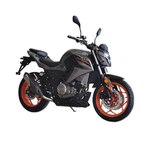

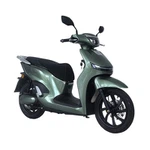
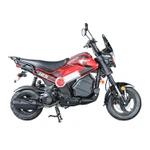
Scooter Motorcycle
Wuxi Yifan Industry: a Professional Scooter Motorcycle Manufacturer
As a one-stop factory, we can provide customers with the best prices.
Variety of Products
Our company mainly provides various CKD motorcycles and motorcycle parts, and has the ability to develop various new products. Our motorcycle types mainly include cruiser motorcycles, sports motorcycles, scooters, touring motorcycles, retro motorcycles, and electric motorcycles.
Strict Quality Standards
Our products are of reliable quality and strictly implement the testing and control standards of ISO quality certification. We adhere to the corporate philosophy of "quality first, customer first, sustainable development" to serve the vast number of new and old users and welcome a broader market.
Professional Service
Utilizing a complete after-sales service system, we are committed to building a standardized modern enterprise. Our professional team can provide suitable solutions according to customers' actual needs.
Rich Market Experience
With reliable product quality and perfect service, our products are not only sold well in Southeast Asia, but also exported to Asia, Africa, the Middle East, and Latin America. Our employees have extensive market experience to serve customers around the world.


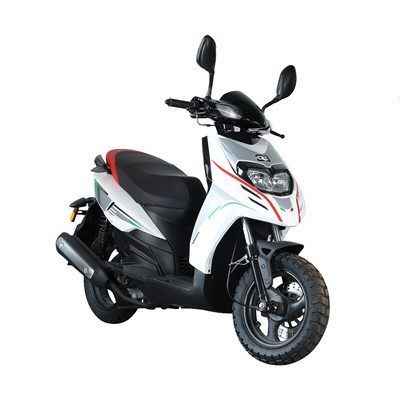


A scooter motorcycle is a motorcycle with a support frame or a step-through frame, a seat and a rider's foot platform, emphasizing comfort and fuel economy. Scooter design elements appear in some of the earliest motorcycles, and scooters have been produced since at least 1914. Large scooters come with larger engines ranging from 200 to 850 cc. They are popular for personal transportation in part because they are cheaper, easier to operate, and more convenient to park and store than a car. In most parts of the world, scooters are easier and cheaper to license than cars, and insurance is often cheaper, too.
Basic Parts of a Scooter Motorcycle
Battery
The battery is a key component of a scooter and a power source. It determines the overall performance and range of the scooter. Battery voltage, charge, and energy storage capacity significantly affect its performance. The battery further supplies power to the motor.
Motor
The motor function on the scooter is very important to move forward. It plays a significant role in determining scooter speed, acceleration response, torque, and running in difficult road conditions. The quality and quantity of battery power influence the motor’s performance. The motor and battery are connected by electrical wires.
Controller
The controller regulates the performance of the scooter. It receives instructions from the rider via a display and a handlebar-mounted throttle. The controller ensures smooth operation of the motor and manages power distribution.
Display and Throttle
The display provides relevant information to the rider and allows them to control the scooter. It can be a small (usually circular or square) LED display in the middle of the handlebar. The throttle is mainly situated on the right-hand side of the handlebar, which helps to control the scooter’s speed.
Brakes
There are various braking systems available for scooters. They can be mechanical (disc or hydraulic), electronic or foot brakes. The braking mechanism slows down or stops the scooter when needed, ensuring rider safety.
Wheels
A scooter has a motor in the wheel itself. They can be filled with air or solid. Pneumatic tires provide a more comfortable ride. Solid wheels eliminate the risk of flat tires but provide less cushioning. Some scooters come with shock absorbers to improve ride comfort.
Frame
The frame provides structural support, balance, and houses all scooter motorcycle components. It is mainly made of strong aluminum alloy or carbon fiber for stiffness and durability. The frame is a tubular structure.
Lights
Most scooter motorcycles come with built-in LED headlights for increased visibility, and some also have brake-activated taillights. There may be additional LED lights on the sides.
Features of Scooter Motorcycles
Regardless of whatever type of scooter you may fancy, one thing they have in common is practicality. Most scooters are equipped with ample storage space under the seat—enough to fit a helmet and your other personal belongings. Now, the utility increases even further as you veer towards the more practical side of scootering. Additionally there are options for aftermarket accessories meant to increase utility and practicality. For instance, you can fit a top case to carry even more stuff on long-distance trips. Other accessories such as taller windscreens, grab-handles, and even cushier seats are available as well.
As opposed to the good old motorcycle, most scooters come equipped with automatic transmissions. This means that the rider can do away with a clutch lever and a shifter pedal. As such, scooters are loved for their twist-and-go ability making it extremely easy even for beginners to get the hang of riding on two wheels. However, the laid-back nature of scooters does have one drawback: lack of power. This is especially true for scooters with smaller engines, which may find it difficult to overtake cars and other motorcycles at speed. It is important to note that performance was never the name of the game when it comes to scooters. As the name suggests, scooters are meant for, well, scooting around town. It just so happens that with the advent of maxi-scooters, you can now scoot from one province to another, as opposed to just around your town or city. Another thing to note is that scooters can be deceptively easy to use. That being said, it is important to always take caution when operating a two wheeled vehicle even if it’s just a scooter. Be sure to always wear your helmet and other necessary protective gear even if it’s just a short trip around town.
Scooters can have a stylish appeal for certain riders. Granted, they’re not the power and muscle you’d find with a bigger bike on the market, but they can still provide you with a cool and sleek look when getting around in a hurry. Many models on the market have a modern-vintage look, or feature the latest tech with a slim frame, which is especially appealing to a generation of younger riders. Don’t skip over scooters when you’re considering your next motorcycle on the marketplace. See if this type of bike fits your lifestyle, and consider the number of advantages they could give you when you set out to ride.
Scooters aren’t as fast and powerful as their motorcycle counterparts on the road, but you can still feel the freedom of riding when you get out on your scooter. Being agile and light, they’re easy to maneuver and responsive with handling, so your daily commute is less of a burden when you can get around the streets with ease. You can still get a thrill from riding too, as you’re right out on the road.
Convenience is key when it comes to owning a scooter and getting around crowded city streets. Many motor scooters come with a compartment for your belongings, bike gear, or items like groceries. Some models come with an extra seat for a passenger in case you need to give someone a lift. And if you need to pack up and move, they’re also easy to transport.
Lastly, When it comes to price scooters are among the most affordable vehicles on the road. This rings true for both buying and maintaining a scooter. Aside from the actual acquisition cost of a scooter, more often than not, maintenance is pretty affordable as well. This is thanks largely in part to the simplistic construction of a scooter’s engine, as well as the fact that it simply uses a lot less oil. Of course, another major thing to consider would be fuel efficiency. It goes without saying that scooters are extremely fuel-efficient especially those with displacements of 150cc and below.
Scooter Motorcycles Specification
|
Model |
YHL-150 |
|
Engine Type |
150CC, 4 Stroke |
|
Displacement |
149.5ml |
|
Dimension |
2000*720*1180mm |
|
Engine |
157QMJ |
|
Bore & Stroke |
57.4mm*57.8mm |
|
Cooling System |
Air-cooling |
|
Compression Ratio |
9.76:1 |
|
Fuel Feed |
92# Gasoline |
|
Max Power (KW/rpm) |
7.8KW (7500±500 r/min) |
|
Max Torque (N.M/rpm) |
10N.m (6000±500 r/min) |
|
Max Speed |
105km/h |
|
Ground Clearance |
140mm |
|
Fuel Consumption |
2.6L/100KM |
|
Ignition |
CDI |
|
Transmission |
Belt+Shaft |
|
Fuel Tank Capacity |
6L |
|
Starting System |
Electrical/Kick |
|
Front Brakes |
Disc/Hand |
|
Rear Brake |
Drum/Hand |
|
Front Wheels |
120/70-12 |
|
Rear Wheels |
120/70-12 |
|
Wheel Base |
1480mm |
|
Seat Height |
770mm |
|
Net Weight |
98KG |
|
Gross Weight |
122KG |
|
Packing Type |
Carton with iron bracket |
|
Packing Size |
1880*570*850mm |
|
40' HQ Container |
75pcs |
Advantages of a Scooter Motorcycle
Ease of Learning
First and foremost, learning to ride a scooter is far easier than learning a motorbike. With a manual transmission, motorcycles can become very complicated for people who are driving them for the first time. On the other hand, most scooters are automatic, and therefore you don’t need a lot of skills to master riding a scooter. Scooters also provide a leg guard, and the front end serves as a barrier to protect you in case of an accident.
Price Range
The second thing you should consider is your budget. New motorcycles can be very expensive, and their price can range from about £2500 to as much as £200,000. Whereas scooters are very affordable and can cost up to £1500.
Safety
Where both motorbikes and scooters require proper protective gear and safety measures, scooters provide its riders with a lot more safety. Over speeding is the most major causes of accidents on roads. Scooters hit about 40-50 mph whereas motorbikes can exceed 100mph barrier. If you have a scooter and are looking to buy one, it is optimal that you learn how to ride it first and get moped insurance. It covers any liabilities that you might have to pay for injuries you cause to others as well as damage to their vehicle.
Fuel Efficiency
The next benefit of having a scooter is that they are more fuel-efficient. They can average up to 130 mpg, which is a lot more when compared to 50-60 mpg of motorcycles. This saves you a lot more money and proves to be a good investment in the long run. Moreover, most people are going for electric scooters which are perfect not only for the rider but also for the environment. They make commute even easier and cost-efficient as you don’t have to spend a fortune on fuel. With no harmful carbon emissions and no fuel tank, they are much safer than bikes.
More Space
Scooters offer more space when compared to a bike. With more than enough space under the seat to put groceries or bag, scooters make city commute more efficient and practical. Most motorcyclist complaint about their items and helmets being stolen when they park it somewhere. With a safe, lockable space, you don’t have to worry about your possessions and can park your scooter without any tension.
Things to Consider Before Buying a Scooter Motorcycle
Make Sure You Have the Right Licence
If you haven’t already got your licence, consider which one you want to aim for as the type you’re planning to hold will influence what scooter you can ride. Luckily, there’s plenty of information out there on licensing requirements for different types of vehicles. You’ll typically need an A1 licence for light scooters or motorcycles and an A2 licence for standard ones. If it’s your first time riding a scooter or moped, you’ll also need to book a CBT test. This is compulsory training that must be completed before you head out on the road.
Carefully Consider Your Budget
Your budget will greatly determine what you buy – and a used scooter can cost a lot less than a new one. If you do opt for a second-hand model, put aside a little extra cash and get it checked over thoroughly to avoid potential headaches further down the line. If possible, it’s also worth taking a friend with some mechanical knowledge along to give their opinion when you view the vehicle. Otherwise, do some research into the make you’re looking at so you know any potential faults and what to check for. This could save you some serious cash on repairs in the long run.
Remember Those Additional Costs…
Scooter cost alone isn’t the only thing to think about when setting out your budget. Don’t forget to buy a good-quality helmet, alongside clothing and accessories such as locks and security devices. No matter the size of your budget, safety should always come first. You’ll also need to purchase appropriate scooter insurance before taking your first outing. Regarding insurance, it’s worth noting that those security devices you buy may actually earn you a discount on the cost of your cover. And, as an optional extra, you can include insurance for your helmet and leathers too. Read this useful blog on how to save money on the cost of your insurance.
Find the Right Sized Scooter
Before you buy a scooter, it’s important to sit on it to gauge its size and how it feels to ride. Things like the height of the seat can make a big difference in whether it’s comfortable and easy to manoeuvre. You’ll also need to make a note of the scooter’s storage capacity and determine whether it meets your needs. Is there enough storage for your helmet? What about any bags or extra luggage you plan on carrying with you?
Choose Your Engine Size
Engine size is an important consideration that depends almost entirely on what you’ll be using the moped or scooter for. In particular, you should consider the distance you want to cover and the average speed limit of the roads you’ll be riding on most. Small 50cc scooters are handy for short urban commutes, however, their 30mph top speed means they aren’t ideal for faster roads or longer distances. A 125cc scooter provides more oomph to keep up with traffic on busier roads, with a top speed of around 60mph. This makes them very versatile. Anything over 125cc requires a full motorcycle licence. There are many 400cc-plus scooters out there too, so take some time to consider what will work best for you.
Don’t Forget Fuel Consumption
When thinking about cost and which moped or scooter is right for your needs, it’s important to also look at running costs and how economical the bike is. Data suggests that a 125cc machine will typically cost under 10p per mile to run, while a typical scooter uses between 55% and 81% less fuel than a car for the same journey. Even so, you’ll probably want to consider fuel efficiency before making a purchase, both from an economical and an environmental perspective. There are a whole host of low-emission vehicles and motorcycles to choose from, with just about every budget catered for.
Always Do Your Research
Whether you’re buying your first moped or scooter or adding to a growing collection, it’s always recommended to do plenty of research. Check out any information provided by your preferred manufacturer to see if there are particular things to check for or avoid, such as common faults or problems with certain models. With so many things to think about before buying your first bike, it’s no wonder the decision-making process is often a little lengthier than first-time buyers expect. Our best advice is to take your time and make a decision that’s unique to you.
Safety Tips for Riding Your Scooter Motorcycle
Pick the Right-Sized Scooter Motorcycle
One of the first scooter safety tips is to make sure you pick a scooter that lends itself to your body shape and size as well as your personal riding preferences. You may find a new scooter for sale that looks perfect on the exterior but just doesn’t feel right when you sit down. Many scooters are designed specifically for men, women, and children, and they’re proportioned in this way as well. Similar to a bicycle, picking a scooter that fits just right is the first step towards feeling confident on the road. You’ll also want to consider your riding style and preference. Many scooters for sale come in a variety of style options. From automatic rides to twist and go features, test riding a variety of options is a good idea before making your purchase.
01
Assume the Correct Riding Posture
One of the first things you’ll learn as a new scooter rider involves how to sit and balance while on the scooter. As a first-time rider, it can be a little intimidating to figure out the techniques for balancing, turning corners, and switching lanes. These are highly involved maneuvers, and one wrong move could be disastrous. However, this scooter safety skill is required to get you where you’re going effectively, so it’s best to practice your balance techniques in a safe zone. Proper riding position is generally dictated by the position of your elbows. Your forearms should remain parallel to the ground while your biceps sit at a ninety-degree angle. You should also pay close attention to your feet and legs. While you’re learning to balance, it can be tempting to use your feet to stabilize, but this is a bad idea. Keep your feet securely on the floorboards and tucked away from the road. With a little posture practice, you’ll feel comfortable in no time!
02
Invest in Proper Equipment
This safety tip can’t be emphasized enough. Proper safety equipment is one of the best investments you’ll make when it comes to your new scooter. Some of the more obvious safety equipment includes a helmet, highly visible clothing, proper shoes, and protective eyewear. On a scooter, you’re much more exposed than when riding in a car, so these protective measures are key. Many manufacturers sell all the necessary equipment on-site, so there’s no excuse not to have these items on hand. If you want to enhance your scooter safety skills even further, you can also upgrade the equipment on your bike. Investing in items like better handlebars, customized seating, or reflective lighting lets you tailor your new scooter to your needs, enhancing your comfort and confidence on the road.
03
Understand the Laws of the Road
Operating a scooter comes with a specialized set of traffic laws. When you’ve found the perfect new scooter for sale, it’s not as easy as making the purchase and hitting the road. Similar to a bicycle, there are specific hand signals and rules you’ll need to memorize before you hit the streets. You’ll also need a special license to operate your scooter on the road. You can purchase the most recent driver’s guide to prepare for the exam, and keep it handy with you for any incidents that come up. Lastly, making sure your new scooter is properly insured is a protective measure you won’t want to overlook!
04
Practice Makes Perfect
Once you’ve checked all of these boxes, it’s a good idea to work in a little practice before hitting the streets. Choosing a location that’s free of cars and other distractions is a great place to start. You’ll want to make sure you can master basic skills like braking, navigating a corner turn, engaging the clutch, and shifting gears. These practice sessions are also a good time to get familiar with the various parts of your scooter. You should have a working knowledge of how all the parts interact so you can accurately diagnose and handle any issues that occur on the road. You should also practice what to do in emergencies like coping with uneven surfaces, safely avoiding collisions, or maneuvering on slick roads. Lots of practice will ensure that you’re ready for whatever you encounter on the road.
05
Our Certificate
We obtained the following certificates:

Our Factory
This is a photo of our factory:


FAQ
Q: Why choose a scooter over a motorcycle?
Q: Is a scooter good?
Q: Are scooters more comfortable than motorcycles?
Q: Are scooters easier than motorcycles?
Q: Are scooters safer than motorcycles?
Q: Do scooters have gears?
Q: Do scooters have motors?
Q: How to choose a scooter motorcycle?
Q: Are scooter motorcycles heavier than classic motorcycles?
Q: Are scooters automatic?
Q: How far can a scooter go?
Q: Are scooters good for transportation?
Q: Are scooters good for traveling?
Q: What are the risks of riding a scooter?
Q: How does scooter motor work?
Q: How long do scooters motor last?
Q: Do motor scooters have gears?