


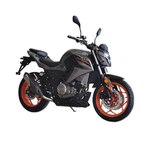

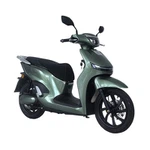
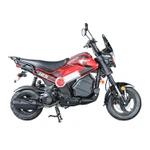
Touring Motorcycle
Wuxi Yifan Industry: a Professional Touring Motorcycle Manufacturer
As a one-stop factory, we can provide customers with the best prices.
Variety of Products
Our company mainly provides various CKD motorcycles and motorcycle parts, and has the ability to develop various new products. Our motorcycle types mainly include cruiser motorcycles, sports motorcycles, scooters, touring motorcycles, retro motorcycles, and electric motorcycles.
Strict Quality Standards
Our products are of reliable quality and strictly implement the testing and control standards of ISO quality certification. We adhere to the corporate philosophy of "quality first, customer first, sustainable development" to serve the vast number of new and old users and welcome a broader market.
Professional Service
Utilizing a complete after-sales service system, we are committed to building a standardized modern enterprise. Our professional team can provide suitable solutions according to customers' actual needs.
Rich Market Experience
With reliable product quality and perfect service, our products are not only sold well in Southeast Asia, but also exported to Asia, Africa, the Middle East, and Latin America. Our employees have extensive market experience to serve customers around the world.
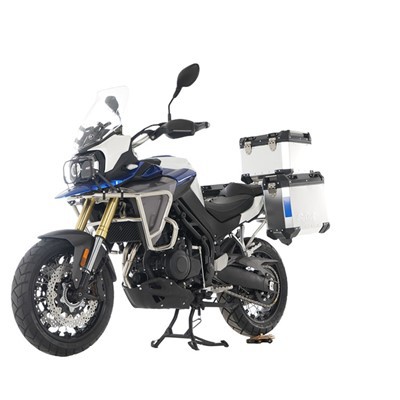


Motorcycle touring is one of the many pleasures in life and what better way to experience the hobby than with a bike built for just that? While there are many different kinds of motorcycles, touring bikes take the cake when it comes to amenities and mastering the long-distance riding experience.Touring motorcycles are built for touring the wide open road, obviously, but this means that they are often big bikes with very powerful engines. This is because many people who ride farther distances need to be able to bring luggage and even have a passenger. The stronger engine and bigger size allow for these things. This size, however, does make it a challenging bike for newcomers.
Features of Touring Motorcycles
Comfort
When you’re planning to ride for an extended time, it’s essential to prioritize comfort. Touring motorcycles are designed with softer seats, perfectly placed handlebars, and air deflectors to keep the engine heat away from you. Some models even come equipped with a windshield to reduce fatigue and help block debris. Long distance rides absolutely require comfort, otherwise you won’t be able to travel as far as you’d like to.
Storage
Another benefit of touring motorcycles is the amount of storage available. Whether you’re planning an epic vacation or you just need to keep the essential supplies, having the option to keep everything you need with you can make a huge difference for your experience on the road. You’ll have room to carry rain gear, emergency items, and your travel essentials without bogging down your bike!
Large Fuel Tanks
During a long trip, you don’t want to excessively have to stop for fuel. Touring motorcycles have larger fuel tanks so you can travel farther and only stop when you want to! This feature also allows you to explore more remote areas without worrying about running out of fuel. Of course you should still plan ahead for fuel stops, but the efficiency will help you stay on the road and enjoy the ride.
Passenger Comfort
Not only is it important for the rider to be comfortable, but if you’re traveling with a passenger you’ll want them to be comfortable too. Touring bikes are typically made for having a passenger, so you’ll notice spacious seating and strategically placed footpegs for the best riding experience. It’s great that these models can accommodate a passenger because it’s not always ideal to go long distances alone!
Stability
Touring motorcycles are built a bit larger than other models, but their size makes them very stable. The large frame is an iconic part of their design and their performance! The larger build makes them ideal for navigating winding roads and also contributes to the overall comfort.
Great for Everyone
Possibly the best benefit of a touring motorcycle is how great it is for all riders. Whether you’re new or experienced, they’re an ideal option! Plus, they’re perfect for quick drives, commuting, and long-distance trips.
Touring Motorcycles Specification
|
Item |
Specification |
Item |
Specification |
|
Dimension |
2160x850x1330mm |
Reach angle |
27° |
|
Wheel base |
1520mm |
Tyre size/Front |
120/70-19 |
|
Oil tank capacity |
2.5L-2.6L |
Tyre size/Rear |
160/60-17 |
|
0.43L |
Fuel consumption |
≤4.8L/100km |
|
|
Fuel tank capacity |
20L |
Climbing capacity |
≥18° |
|
Capacity person |
2person (with driver) |
Max. design speed |
180km/h |
|
Rated load capacity |
202kg (with driver) |
Ground clearance |
210mm |
|
Frame type |
Woven frame |
Starting acceleration |
5.8s |
|
Rear fork |
Aluminum alloy double rocker arm |
Fuel supply |
Closed loop EFI |
|
Front brake type |
320mm Double disc, two-way four-piston radial caliper |
Battery type |
12V-12Ah |
|
Rear brake type |
240mm Single disc, one-way single-piston floating caliper |
Magneto power |
0.22kw(5000r/min) |
|
ABS |
Front and rear dual channels |
Headlamp specifications |
12V55W/55W |
|
Engine type |
Water-cooled, twin-cylinder, twin-camshaft |
Brake light/rear position light specifications |
12V21W/5W |
|
Number of Valves |
8 valves |
Turn signal light specifications |
12V10Wx4 |
|
Bore*stoke |
67mmx66.8mm |
Front position light specifications |
12V5W |
|
Compression Ratio |
10.7:1 |
Instrument lighting specifications |
12V1.7Wx2 |
|
Cylinder volume/Actual |
471ml |
Turn signal indicator specifications |
12V3.4Wx2 |
|
Cylinder volume/Integer |
500 |
High beam indicator light specifications |
12V1.7W |
|
Clutch type |
Wet multi-plate 6-speed chain drive |
Main fuse |
20A |
|
Spark type |
CPR8EA |
Sub fuse |
15A |
|
Spark electrode gap |
0.9+0.1mm |
Seat |
Self-absorbing skin front&rear |
|
Minimum no-load stable speed |
1400±140r/min |
Forged parts |
Shock-absorbing bottom tube, connecting plate, steering handle |
|
Maximum net power and corresponding speed |
35kw/8500rpm |
Light |
LED |
|
Maximum torque and corresponding speed |
45N.m/7000rpm |
Speedometer |
Mechanical pointer + LCD screen |
|
Continuous rotation ratio |
2.902~0.808 |
Muffler forward bend |
304 Stainless steel, gas storage bag |
|
Final stage rotation ratio |
3.692 |
Exhaust pipe |
304 Stainless steel, stainless steel cover |
Gone are the days when riding your motorcycle results in sore joints and muscles after a long trip. A touring bike is made to keep you comfortable for hours at a time, with features that help to prevent strain on your joints and ensure that you’re alert, relaxed and not distracted by pain as you ride.
Features in this vein include:
*Ergonomic seats with plenty of padding and a riding position that doesn’t hurt your back.
*Deflectors that draw hot engine air away from your shins.
*Well-placed handlebars that reduce strain on your shoulders and arms.
*Windshields to block out the wind and rain and road debris that would otherwise hit you full-force.
*Thanks to how comfortable these motorcycles are to ride, even people who don’t go on touring trips enjoy using touring motorcycles for commuting and inner-city errands!
Extra Storage Options
Some bikes have the bare minimum when it comes to storage spaces, but this isn’t so with a touring motorcycle. With top-side boxes, saddlebags and other forms of storage, you’ll have plenty of room for your gear, including your tools, first-aid kit, clothing, helmet and other supplies. Most touring bikes can also be upgraded to add even more storage!
Passenger Seating
Don’t want to tackle the open road alone? Due to their size, touring motorcycles can typically accommodate the weight of a second rider, allowing you to bring a passenger along with you. Enjoy your adventure even more with your companion, whoever they may be!
Spacious Fuel Tanks
Sick of having to fill up and stop repeatedly? Your touring motorcycle will have a fuel tank with a much larger capacity, allowing you to skip some rest stops and keep on going. You can even explore more remote regions without worrying about running out of gas!
What to Know Before You Buy a Touring Motorcycle
Budget
Thinking and knowing what your budget is should be one of the first things you consider when deciding if a motorcycle is a good fit for you. Touring motorcycles have a range of prices from low to high. This range of pricing can give almost everyone the opportunity to start off small then work your way up to bigger if one feels they need to.
01
What Type of Riding Is It Best For?
You can use any motorcycles for long-distance trips or journeys but you will quickly learn that some motorcycles are not the most comfortable for these long-distance excursions. There are certain motorcycles out there that are better equipped for the long ride and touring motorcycles offer a more upright seating position, tall windshields, large fuel tanks, and in some cases saddlebags or some type of side storage. This extra storage allows you to have a more comfortable ride since your stuff will be put away and you won’t have to worry about it falling off.
02
What’s the Average MPG?
Touring motorcycles on average get 54-65 mpg. This is great gas mileage for the power the bike can offer. Perfect for long-distance rides, so you don’t have to pull over every 150 miles to refuel. Touring motorcycles also have large gas tanks, which means you can hold more also reducing the number of times you’ll need to refuel in one trip.
03
Commuting?
If you’re looking to get a motorcycle but will mainly be using it to commute, know that a touring motorcycle should not be your first choice. Although it is a great type of motorcycle, commuter bikes tend to be a little slimmer, have less storage space, and also have a great MPG. Overall, a touring motorcycle could be used as a commuter bike if you do a good mixture of long-distance and commuting, but if you are strictly a commuter consider another option.
04
Comfort Level
Consider, you will be sitting for long periods of time, your arms and wrist will be in the same positions and stay strong to control the bike. You want to make sure that whatever you are riding for a long period of time is something that you know will be comfortable since touring motorcycles are specifically designed for long-distance riding you can be sure that they are very comfortable.
05
Different Engine Sizes
Touring motorcycles come in a range of engine sizes. This gives riders the opportunity to start off a bit smaller and work their way up (budget or cc wise). Touring bikes are usually quite large and heavy so you want to make sure you have enough power for what you will be additionally bringing on.
06
Style
For those who care about the “look”, know that touring bike has that classic and relaxed look in one. Touring bikes are “dressed up” with a lot of options, like stereos, GPS, heated seats, windscreens, lots of carrying capacity, automatic transmissions, and more. Whether you’re an adrenaline junkie who’s looking to burn some rubber or an aspiring traveler who feels more at home on the open road, the touring motorcycle style is for you.
07
Passengers?
Most touring bikes have a very noticeable and large seat for a passenger to join. Other motorcycles do have a passenger seat but look more similar to one of a street bike. The larger seats are more comfortable for your passenger and will make the long-distance ride for both of you easy and enjoyable. Touring bikes are definitely passenger-friendly.
08
Basic Pre-Ride Inspection for Touring Motorcycles
Tire Pressure and Quality
Probably the quickest way to put a touring motorcycle in the ditch is with a blown out tire. Remember that you only have two wheels on your bike, so if one goes out, you’ll be lucky if you can control it long enough to safely pull off to the shoulder. That means you’ll have to keep an eye out for your tire pressure on both sides. You should buy a tire pressure gauge, which is cheap but extremely effective for determining exactly when you need to add some more air to the tires. If you do this before every ride, you’ll also be able to spot when the tire quality starts to wear down. If the tread is running low, or if you notice punctures or bulges, you need to get that tire replaced before taking it out on the road again. Severe tire damage like this is a blowout waiting to happen, and you don’t want to risk personal injury just to get one more ride in before changing the tire.
Fluid Levels
Engine fluids keep your motor healthy and performing well, so it makes sense to take a look at these before every ride. Leaks can cause your engine to deteriorate quickly without you even knowing. But if you check your oil regularly, you’ll see right away when you start losing too much fluid. To do this, take out the dipstick, wipe it down, put it back in, and then pull it out again to check the level. If you’re running low, you should replace it with as much oil as you need, but make sure you use fluid that’s compatible with your touring motorcycle. This will also help you see when the oil starts wearing down. When it gets too viscous or dark, you’ll need to take it in for an oil change before it wears down too much.
Simple Brake and Throttle Checks
Finally, it’s impossible to ride safely without a functioning braking system, so make sure you do a simple check on your brakes before hitting the highway. You can do this in your driveway or on a side street. All you need to do is ride at a slow speed, gradually apply the brake, and pay attention to how well you slow down. The brakes should stop your motorcycle smoothly. If there are vibrations or too much jerkiness in the process, you might have an issue with the rotors or brake pads. For either of these problems, you’ll need to bring the touring motorcycle into professional repair shop before riding it again.
Maintenance Checklist for Your Touring Motorcycle
This is an effortless yet effective way to check for any issues. A simple walk around will reveal areas that might be problematic during the trip. For instance, if there is an oil leak or the tire pressure is low, you need to fix it. Check every part of the bike for signs of wear and tear. The most effective way to walk around inspection is with a checklist. Come up with a checklist of every part of that needs to be inspected. Go through each of these parts and confirm that it can handle the long trip. Before the inspection, clean the motorcycle. During the wash you are likely to notice problems. Consider checking your motorcycle fasteners to ensure that the bolts and joints are well fastened. A sturdy frame is critical for a smooth ride.
According to your manual, how often should you change your oil? Typically, the recommended frequency is once every year. However, this only applies if you use your motorcycle sparingly. The more you use your motorcycle, the more frequent the oil change. This also applies if you use dirt roads frequently. Check the oil, add more or change where necessary.
Since you will be on the road for hours at a time, you might want to check your tires. And it's not just the tire pressure. Tire maintenance should be at the top of your maintenance checklist.You only get two tires, and you don’t have enough space to carry extra tires. Remember you will be on the road for hours, and since the point of contact between the road and the motorbike is the tires, the least you can do is ensure that they are in stellar condition. Check for signs of wear and tears as well as the tire pressure. If the tires cannot handle the trip, ensure that you replace them. Once you are done with the tire, check the wheel alignment. If the wheel is not properly aligned, it increases the rate of wear and tear.
Before each ride ensure that you test the brakes. Don’t stop at the brakes also check the brake fluid level. If you have not replaced the brake fluid in the last two years, it’s now the perfect time to do it. Also, check the brake pad. Has the thickness reduced over time or are they good enough for the trip? Check the manual for specifications of the brake pads, if the thickness is below the recommended thickness you’ll need to replace them. Another key part is the brake lines which are often overlooked in basic motorcycle maintenance. If your bike has rubber brake lines you might want to replace them with stainless steel line.
Easily ignored during long trips, especially if you are always on the road. Remember, unlike a few decades ago, the environment has completely changed. The air quality is not the same as it was half a century ago. There is too much pollution thus a clean air filter will come in handy. Check the route you will use and the state of roads. If the areas are dusty, you might want to replace your air filter.
Ensure that the motorcycle’s battery is fully charged before you leave. A trickle charger will charge a dead battery and it will also maintain the health of your motorcycle battery. You can check its overall health using a multimeter.
Check the fuel level and check whether the fuel line has any signs of damage.
Our Certificate
We obtained the following certificates:

Our Factory
This is a photo of our factory:


Ultimate Guide
Q: Are touring motorcycles hard to ride?
Q: How long do touring motorcycles last?
Q: How heavy is a touring motorcycle?
Q: Are touring motorcycles worth it?
Q: Why sport touring motorcycles?
Q: Is 200 kg heavy for a motorcycle?
Q: Is 40000 miles high for a motorcycle?
Q: What affects motorcycle handling?
Q: What affects motorcycle speed?
Q: How can I improve my motorcycle stability?
Q: What makes a touring motorcycle more stable?
Q: What controls speed on a touring motorcycle?
Q: How do touring motorcycles stay balanced?
Q: What makes a motorcycle speed wobble?
Q: How does a motorcycle limiter work?
Q: How do you determine motorcycle gear ratio?
Q: Do motorcycles have auto balance?